SFB 1646
Veranstaltungen von diesem veranstalter
-
-
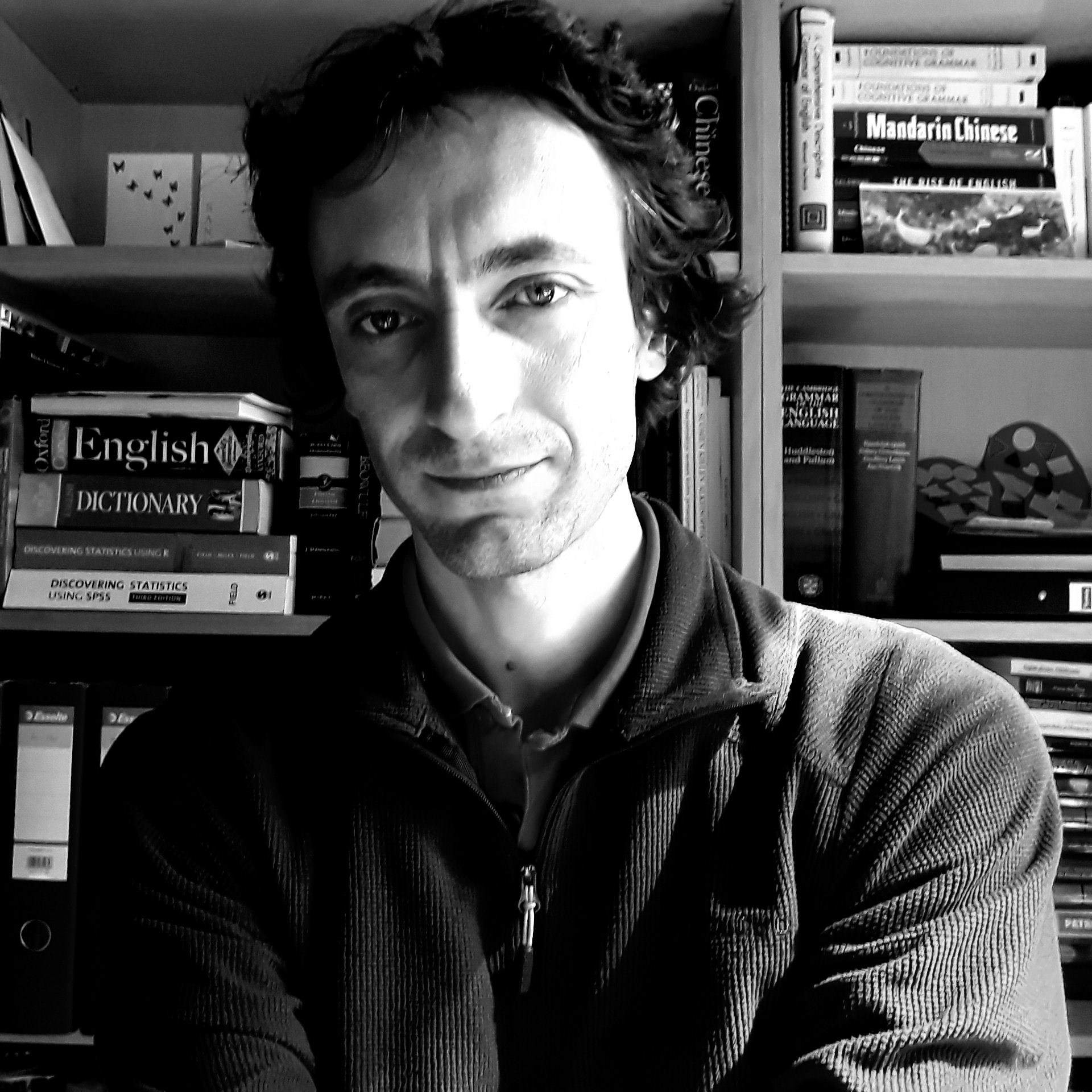
Hendrik De Smet (KU Leuven): In language change, analogy is like gravity: omnipresent, weak, and poorly understood
Hörsaalgebäude YIn this paper I develop a particular view on analogy in language change. Although analogical reasoning underlies both creativity and language change, its involvement comes in different flavours. Where creativity involves analogies that are highly unpredictable and extravagant, language change mostly involves analogies that are predictable and unobtrusive. What is more, analogy in language change […]
-
-
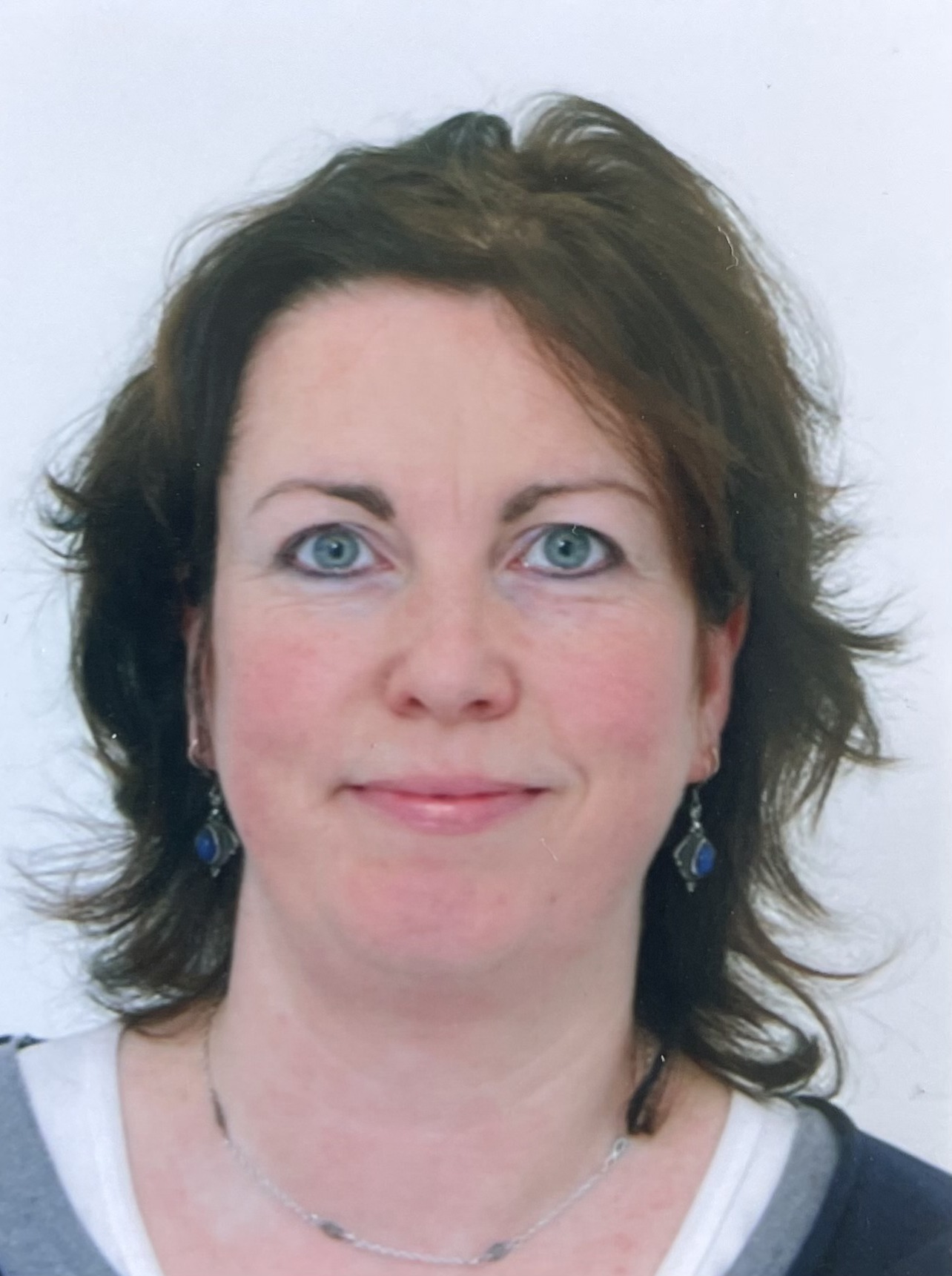
Muriel Norde (HU Berlin): When creativity becomes routine, and vice versa
Hörsaalgebäude YAbstract: It is a well-known paradox in current theorising about creativity that successful creative forms may at some point become routine and are consequently no longer perceived of as creative (Fleissner 2025). In order to solve this puzzle, we need a model of creativity that encompasses both the creation of new forms and the establishment […]
-
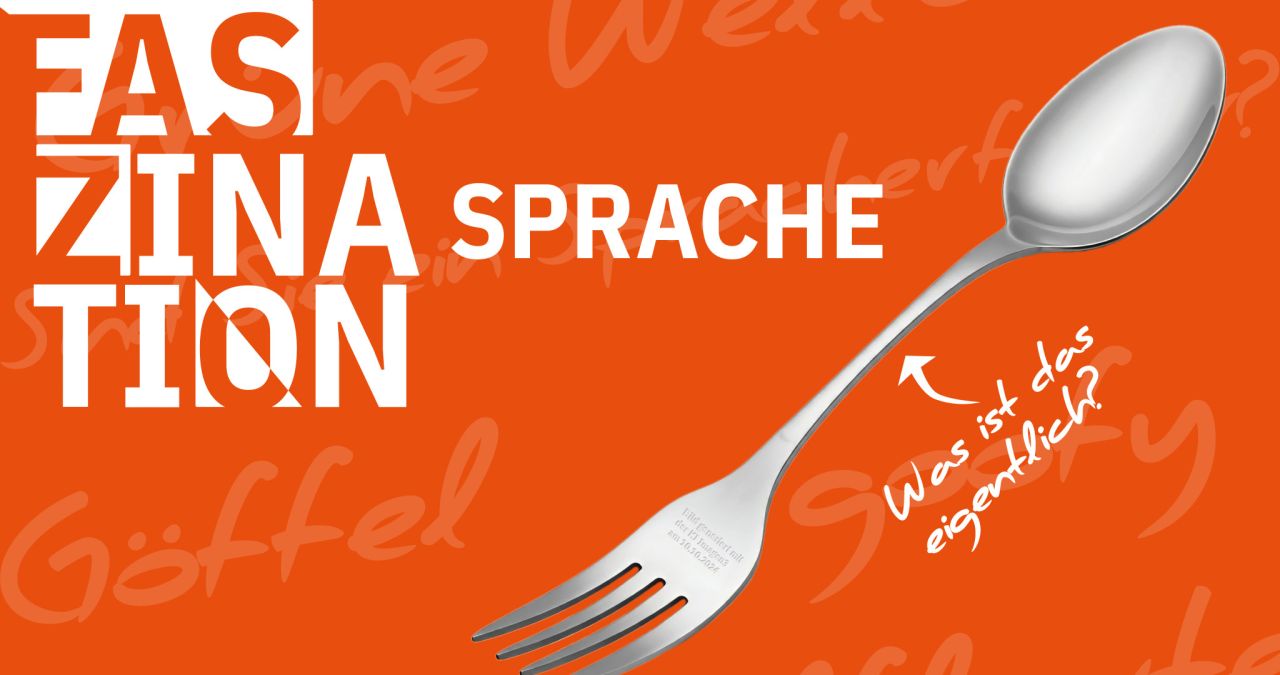
Faszination Sprache. Veranstaltungsreihe des SFB 1646 „Sprachliche Kreativität in der Kommunikation“ der Uni Bielefeld in der VHS Bielefeld
Volkshochschule (VHS) Ravensberger Park 1, Bielefeld, GermanyWenn Fragen nur indirekt beantwortet werden. Kreative Antwortstrategien im politischen Alltag „Die Politiker reden immer nur drum herum und antworten nicht auf unsere Fragen!“ Diesem verbreiteten Urteil gehen wir auf den Grund. Welche Arten zu fragen gibt es eigentlich und was bedeutet es, darauf zu antworten? Auch wir geraten in Gesprächen manchmal in Situationen, in […]
-
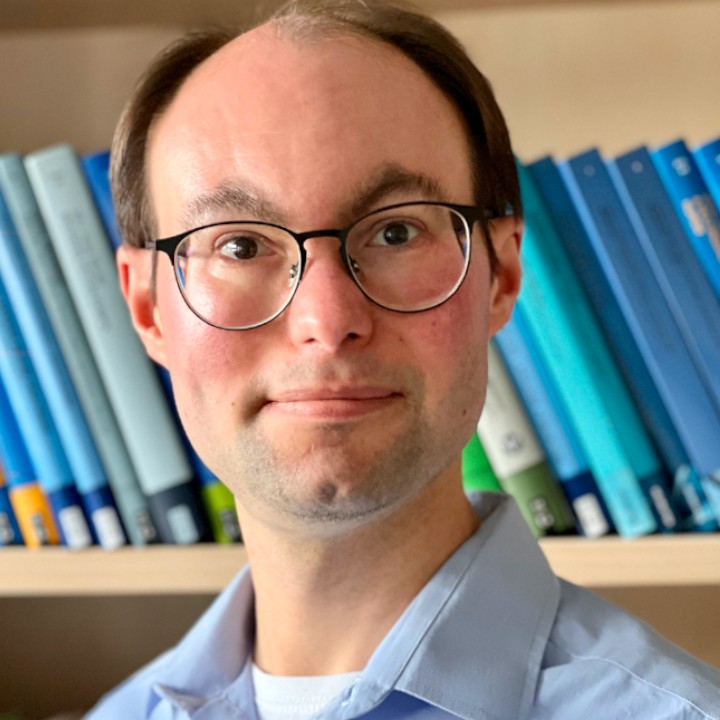
Stefan Hartmann (HHU Düsseldorf): Constructions on the verge of a creative breakdown. What constructional idioms reveal about linguistic creativity and productivity
Hörsaalgebäude YLinguistic creativity has become one of the most prominent topics in Construction Grammar. Taking up Sampson's now well-established distinction between F(ixed)-creativity and E(xtending)-creativity, constructionist approaches are concerned with both types of creativity, which can potentially both play a significant role in accounting for what Goldberg has called the puzzle of partial productivity, i.e. the phenomenon […]
-
-
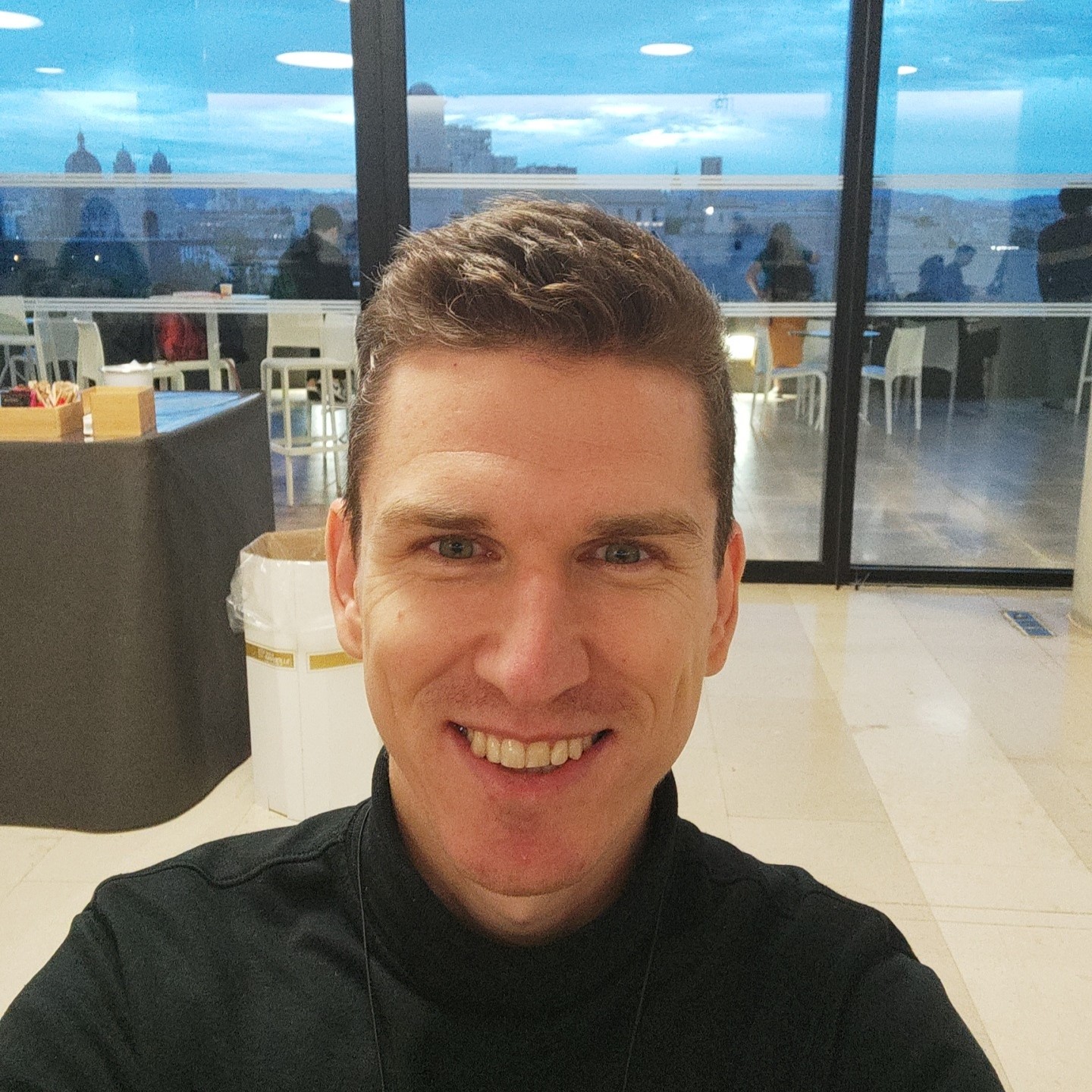
Rafał Jończyk (Adam Mickiewicz Universität Poznań): How thinking in another language modulates creativity and brain dynamics
Hörsaalgebäude YCreativity is widely regarded as a key cognitive resource in the 21st century, yet it remains a complex and elusive phenomenon. Language constitutes a central medium of creative thought and expression—for example, through the production and comprehension of novel metaphors. At the same time, a growing body of research suggests that operating in more than […]
-
-
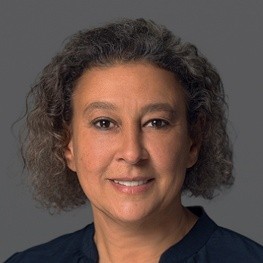
Rasha Abdel Rahman (Humboldt-Universität zu Berlin): The many facets of meaning processing during language production
Hörsaalgebäude YAbstract des Vortrags: Speaking is a highly flexible and adaptive means of expressing thoughts, sensations and experiences in diverse communicative contexts, but this potentially wide range of meaning processing has not been thoroughly investigated. In this talk, I will present studies on how different aspects of meaning affect lexical activation and the words we choose […]
-
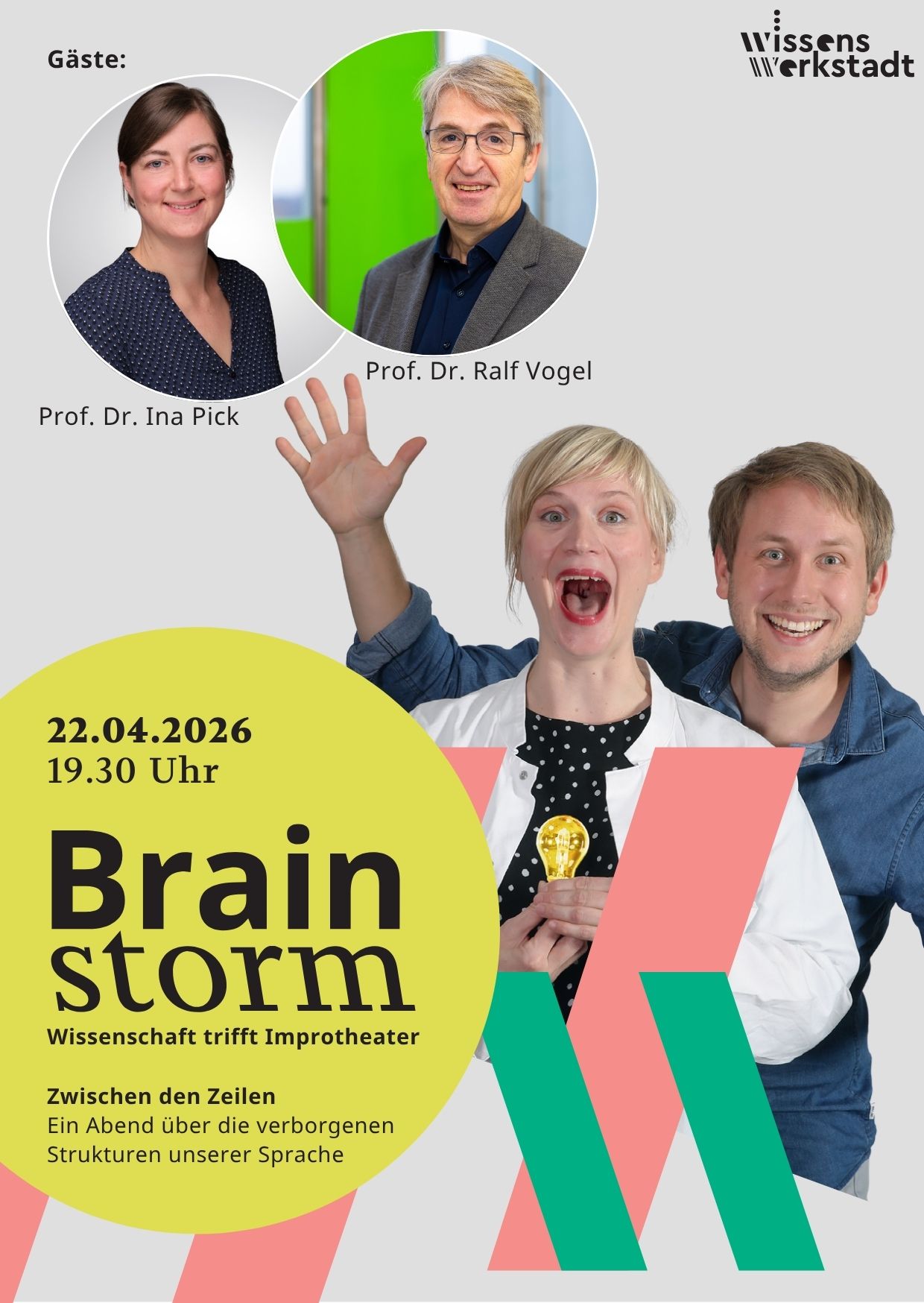
Zwischen den Zeilen. Ein Abend über die verborgenen Strukturen unserer Sprache
Wissenswerkstadt Wilhelmstraße 3, Bielefeld, GermanyIn dem erfolgreichen Format der Bielefelder Wissenswerkstadt „Brainstrom“ geben zwei Forschende der Universität Bielefeld Einblicke in ihre Arbeit und liefern zugleich Stoff für spontane Szenen, Songs und Gedichte. Sie werden von den moderierenden Impro-Profis Nele Kießling und Marvin Meinold („Die Stereotypen“) dargeboten und vom Musiker Jannis Kaffka begleitet. Auf der Bühne steht in dieser Ausgabe […]
-
-
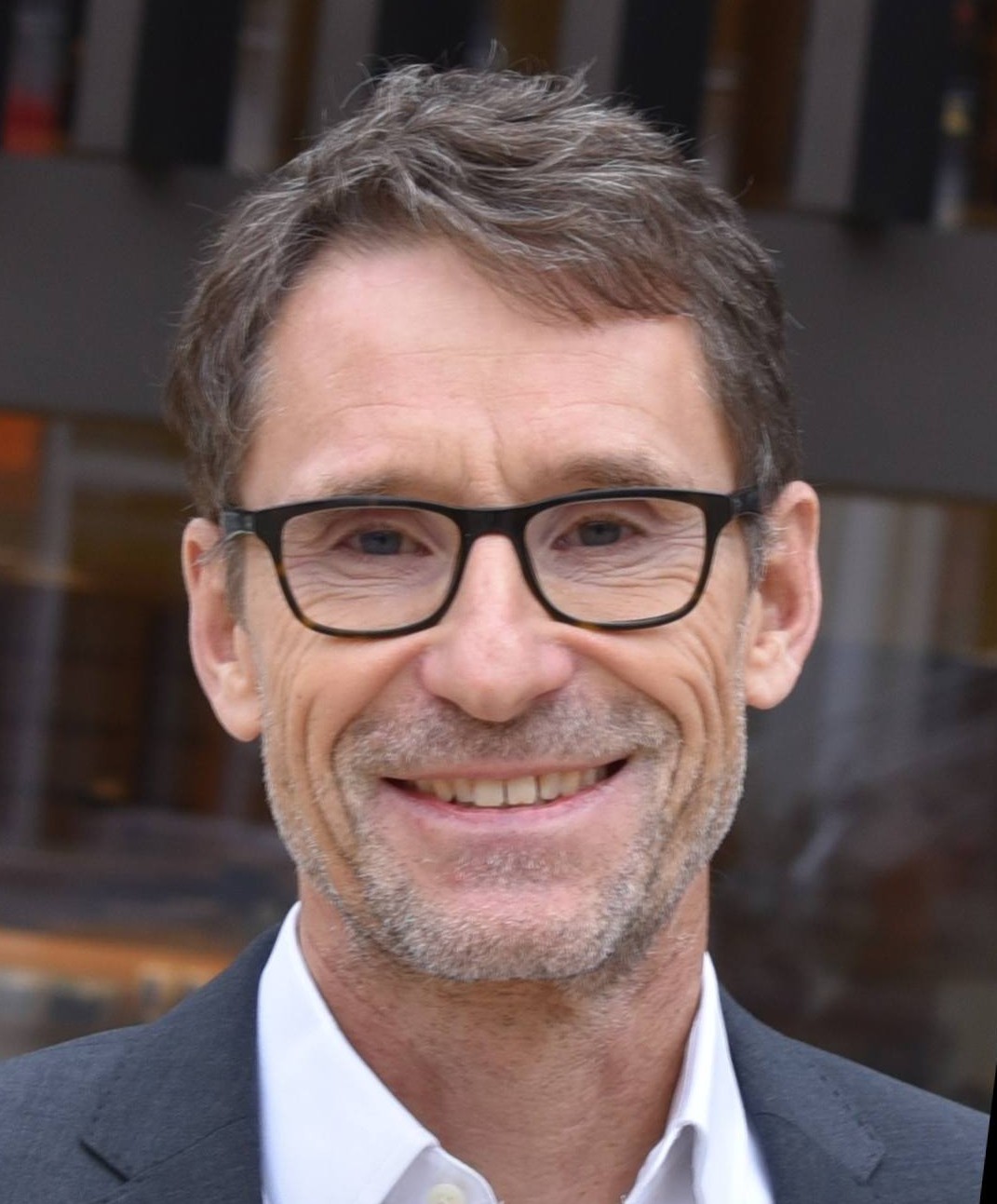
Hans-Jörg Schmid (LMU München): What is creative to whom and why? Creativity in word-formation and phraseology against the backdrop of shared conventions and individual routines
Hörsaalgebäude YThis is a conceptual and programmatic talk aiming to contribute to grasping the nature of creativity in word-formation and phraseology. Creativity is often defined as balancing out originality and effectiveness. I interpret originality as degrees of deviation from convention and effectiveness as degrees of successful mutual understanding. Patterns in word-formation and phraseology provide speakers with […]
-
-
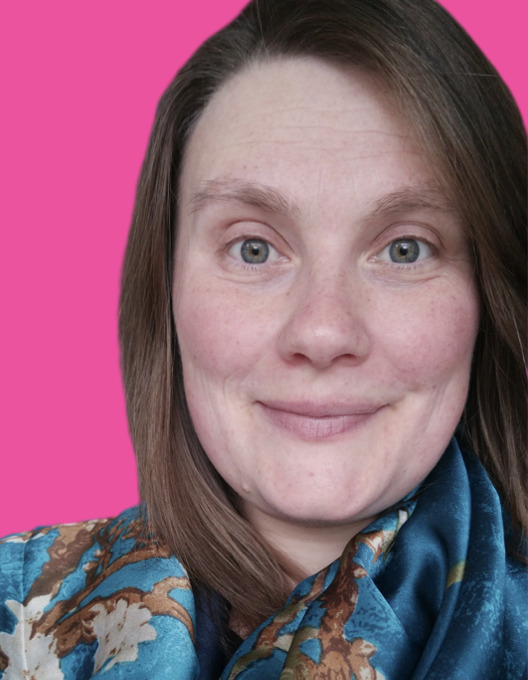
Dr. Iona Gessinger (Universität Saarbrücken): Tracing Articulatory Features in Automatic Speech Recognition Models
Hörsaalgebäude YAutomatic speech recognition (ASR) models encode rich phonetic information in their internal representations, yet the structure and dynamics of these representations remain difficult to interpret. This talk explores how articulatory features such as place and manner of articulation and voicing can be traced across transformer-based ASR models using probing methods. Drawing on analyses of wav2vec […]
-
-
DGfS Summer School 2026
Gebäude X , United StatesThe Summer School of the Deutsche Gesellschaft für Sprachwissenschaften (DGfS) is taking place at the CRC 1646 “Linguistic Creativity in Communication” at Bielefeld University 10th-21st August, 2026. It is a bi-annual summer school which is directed at early career researchers (advanced MA students, doctoral researchers & postdocs) in linguistics and related fields. This year, we […]
-
-
40th South Asian Languages Analysis Roundtable (SALA-40)
CITECThe South Asian Languages Analysis Roundtable (SALA) is a prestigious annual international conference for linguistics in this field. It was founded by Prof. Hans Henrich Hock in 1978 in the Linguistic Institute of the Linguistic Society of America at the University of Illinois, Urbana-Champaign. Since then, SALA is hosted each year at different locations around […]
-
-

Offener Mitmachnachmittag mit Roboter, KI-Games und Chatbot
Im Mittelpunkt der Veranstaltungsreihe steht der Austausch über Sprache und Künstliche Intelligenz. Die Forschenden kommen mit Menschen im Stadtteil ins Gespräch. Sie interessieren sich für Erfahrungen im Alltag mit Sprache und was sich ändert, wenn wir mit KI kommunizieren. Die Angebote richten sich insbesondere an Menschen, die bisher wenig Berühungspunkte mit der Universität und Forschung […]
-
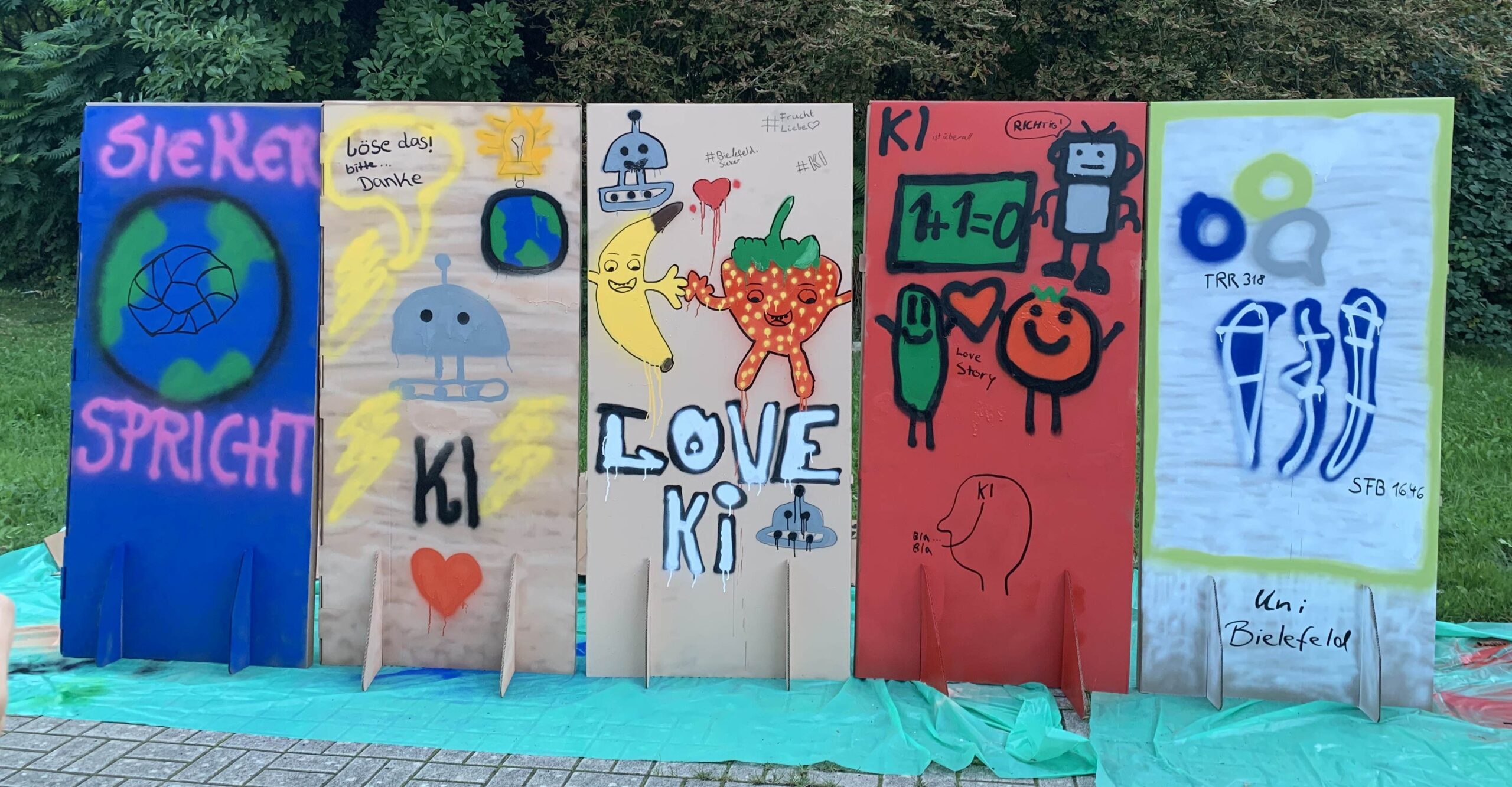
Workshop „KI spricht. Tools mit Künstlicher Intelligenz ausprobieren“
ChatGPT und andere KI-Tools können Texte schreiben, Fragen beantworten oder in verschiedene Sprachen übersetzen. Aber wie gut funktioniert das eigentlich und wofür können wir solche Tools sinnvoll nutzen? Im Workshop tauscht Ihr Euch zunächst über Eure eigenen Erfahrungen mit KI aus und bekommt einen kurzen Einblick, wie sprachbasierte KI funktioniert. Anschließend probiert Ihr verschiedene KI-Tools […]