As global displacement reaches 117.3 million people, the need for effective housing solutions has become critical. This issue sits at the heart of the international research group “Deconstructing ‘Displacement,’ Reconstructing Housing,” which will convene at the Center for Interdisciplinary Research (ZiF) at Bielefeld University in May and June.
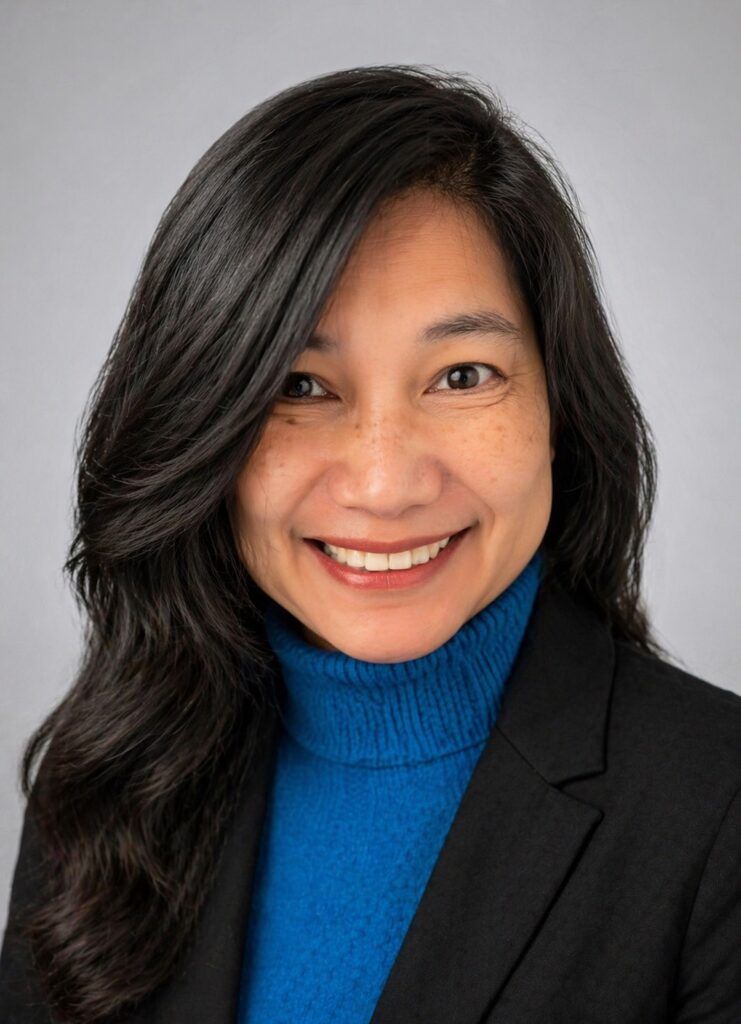
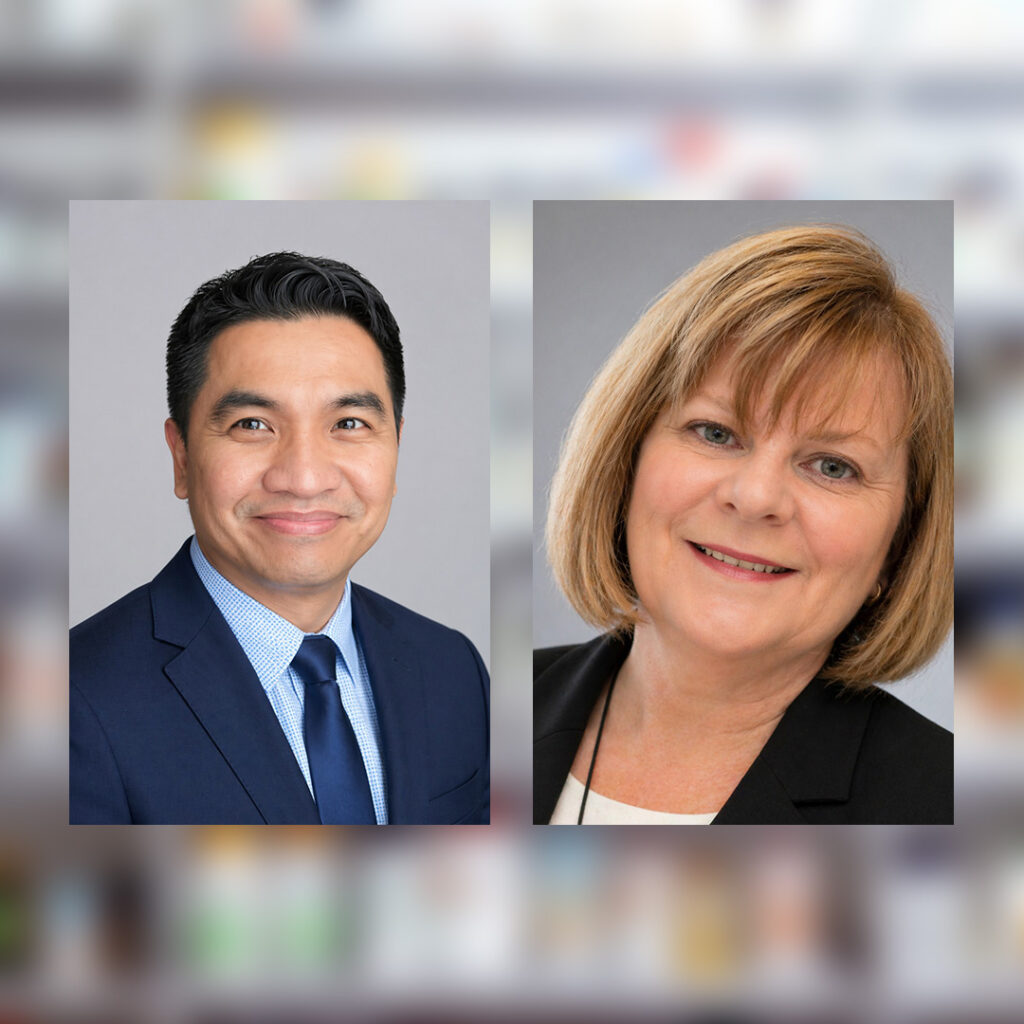
“Researchers as Mary Bunn and colleagues report that displacement, whether from political, environmental or economic causes, is a growing global crisis. Research shows that living as a displaced person means ongoing exposure to threat, risk, precarity, discrimination, loss of livelihood and loss of identity, all of which converge into a fundamental sense of ‘losing home,” reports the organizational theorist Professor Zelinna Pablo (Torrens University, Australia). “Losing home thus requires remaking home, and housing and shelter play a critical part of this remaking process.” Pablo convenes the group together with Professor Kerry London (Sydney), an expert in architecture and construction management and political scientist Associate Professor Rodelio Manacsa (Sewanee, TN, USA), an expert in international law.
© privat
Identifying robust housing solutions presupposes that housing problems are systematically defined, but often problems and solutions are tightly bound to the limiting discourses of highly specialised disciplines like public health, architecture, or law. Narrowly-defined problems and inadequate solutions result.
To bring together key perspectives, the conveners invited researchers from various disciplines and from five countries with different experiences in housing refugees and displaced persons to the ZiF. The collaboration will focus on questions regarding the strengths and limitations of management, architecture, and public health; the optimal use of limited resources; the transferability of national solutions to other countries; and the measurability of progress. The outcome will be a transformative research agenda that challenges existing paradigms and opens new pathways for policy, practice, and global collaboration.
© privat