
© Bielefeld University
Plants switch immediately under high light
Plants adjust protein production within minutes to protect themselves from intense light. A newly discovered signaling pathway enables ultra-fast stress responses and opens new avenues for climate-resilient crops.
Read more »
© Kunstzeug/adobe.stock.com
Using AI to harness the gut microbiome for therapies
Consortium uses microbiome data for personalised treatment. Bielefeld researchers contribute bioinformatics expertise.
Read more »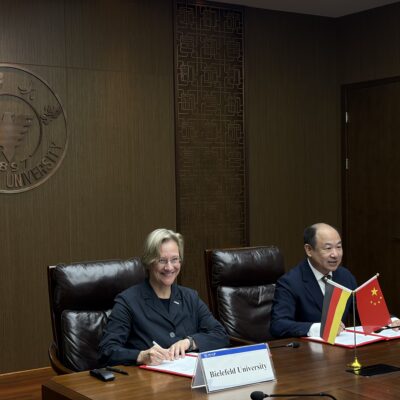
© Bielefeld University
University strengthens collaborations in Asia
Journey of the Rectorat with faculty participation strengthens partnerships in China and Japan. A Memorandum of Understanding was signed at Zhejiang University in Hangzhou, China.
Read more »
© Maximilian Hanusch
Invisible Chemical Landscapes Shape Life
Plants, animals and microorganisms are constantly communicating via chemical signals. A research team has now shown that these signals merge in the environment to form complex ‘chemical landscapes’ that have a far greater impact than their individual components.
Read more »
© Bielefeld University
The Power of the Individual – Talks Now Online
The Individualisation Symposium 2026 brought leading researchers to Bielefeld. Two of the talks are now available online, offering insights into cooperation and social identity in humans and animals.
Read more »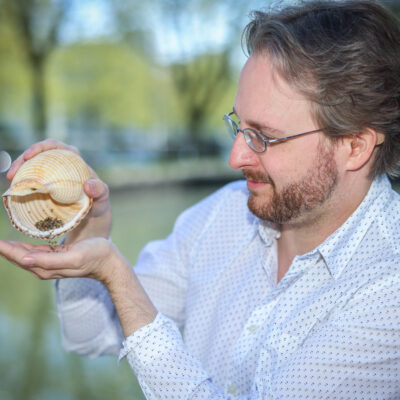
© Sarah Jonek/ Bielefeld University
Why No Individual Is Like Another
Why do animals behave differently, and what are the consequences of this? A research team from the Collaborative Research Centre NC³ now provides a new explanation: epigenetic processes may play a key role.
Read more »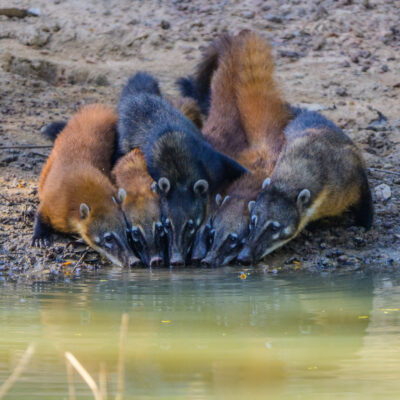
© Oliver Krüger
The Power of the Individual
At the Individualisation Symposium 2026, leading international researchers will gather at Bielefeld University to explore how individual differences shape social relationships in humans and animals.
Read more »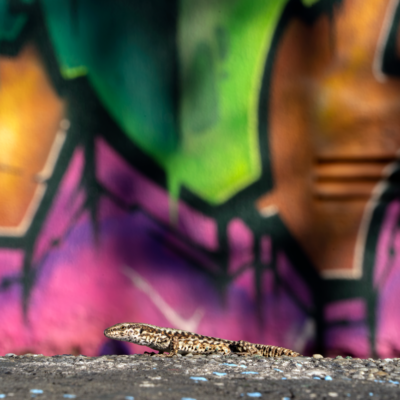
© Sergio Luna
How cities are changing social behaviour in urban animals
Cities profoundly shape how animals interact with one another. A new comprehensive review by researchers at Bielefeld University shows that urbanisation alters animal social behaviour – from mate choice to group living.
Read more »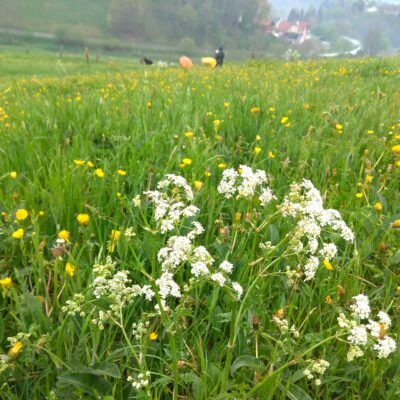
© Neuenkamp
What Our Meadows Reveal About the Future
Meadows are quietly losing their diversity – often before we even notice. A research team led by Prof. Dr Lena Neuenkamp has now demonstrated in Nature Ecology & Evolution that spatial data can predict changes in species diversity over time with astonishing accuracy.
Read more »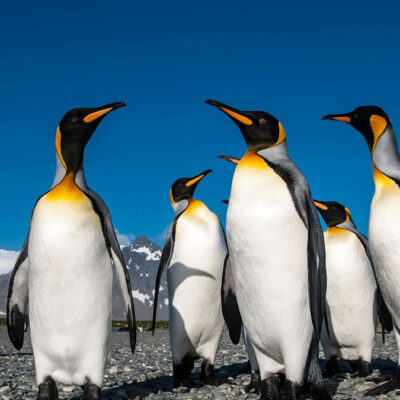
© Oliver Krüger
Focusing on the individual: how diversity advances research
What makes individuals unique—and why is that important? The new focus area InChangE delivers insights.
Read more »
© Universität Bielefeld /Sarah Jonek
Research Team Explores Inclusion at Conferences
A research team from Bielefeld University investigates how inclusive academic conferences really are and offers concrete recommendations to promote participation and diversity.
Read more »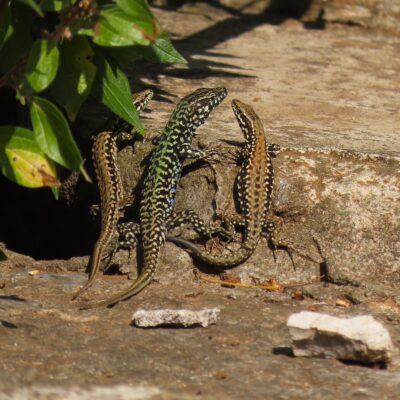
© Marc Gilles
City lizards turn out to be surprisingly social
Narrow walls, few hideouts: in cities, wall lizards build more social ties and form stable bonds, unlike their more solitary counterparts in natural habitats.
Read more »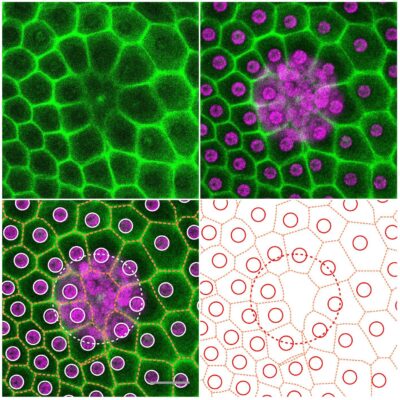
© Bielefeld University
How Cells Build Complex Structures as a Team
How does the collective interaction of many individual cells create a perfectly formed organism? This question is the focus of a new study.
Read more »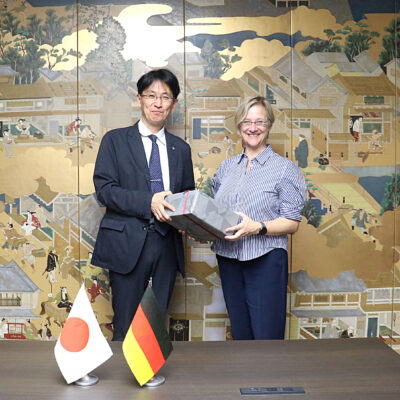
© University of Osaka
Strategic links with Asia strengthened
The Rector of the University Professor Dr Angelika Epple and Professor Dr Michaela Vogt, Vice Rector for International Affairs, Diversity and Society, visiting partner institutions in China and Japan.
Read more »
© Puay/stock.adobe.com
‘We are the ones who reflect on science’
The new Institute for Studies of Science (ISoS) helps researchers to critically scrutinise their academic work.
Read more »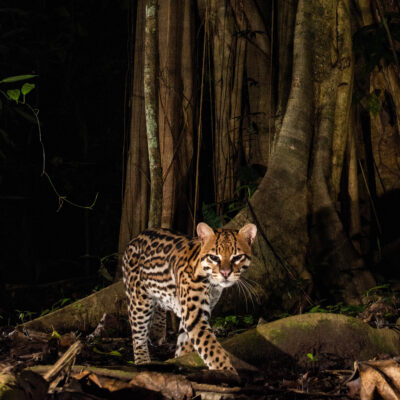
© Fortunato Rayan
Unexpected Animal Partnership Discovered in the Amazon
Researchers from Bielefeld University documented a puzzling relationship between ocelots and opossums in the rainforest for the first time – potentially an unknown cooperation between these two species.
Read more »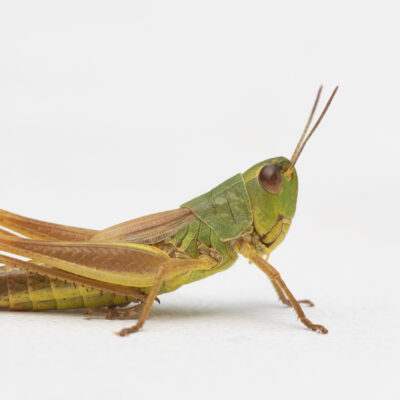
© Holger Schielzeth/CC BY 4.0
How reliable are behavioural tests with insects?
Research team from Bielefeld, Münster and Jena finds evidence that behavioural experiments with insects are also affected by the ‘reproducibility crisis’.
Read more »
© tawatchai1990/stock.adobe.com
How the past can help understand the climate
Interview with Dr. Franz Mauelshagen about climate, society, and the new graduate school IMPRS-ModA.
Read more »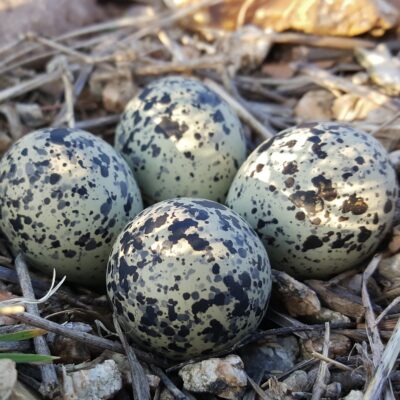
© privat
Meta-analysis questions assumptions about egg hormones
Do maternal hormones in bird eggs influence reproductive success? A new study shows surprisingly small effects. Dr Alfredo Sánchez-Tójar explains why previous assumptions need to be questioned.
Read more »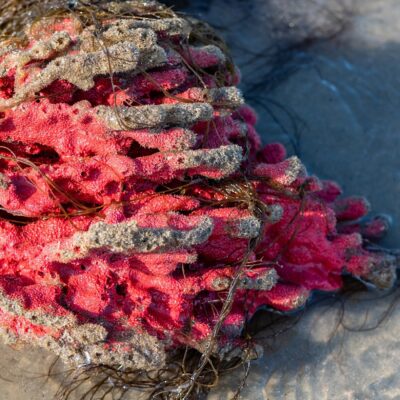
© James M. Davidson/stock.adobe.com
‘Basic principles of nature preserved in marine sponges’
Bielefeld physicists and international colleagues discover ‘evolutionary toolbox’.
Read more »
© Alisha Jucevic
Individualisation in Change
How do humans and animals navigate life transitions? The Individualisation Symposium 2025 explores biological, psychological, and social turning points – on March 25 at ZiF Bielefeld.
Read more »
© Bielefeld University
Why Scientific Results Vary
Different analytical methods have a significant impact on the results of scientific studies. This is demonstrated by a study conducted by an international research team, which includes researchers from Bielefeld University.
Read more »
© Bielefeld University
Plant chemicals shape animal social lives
Bielefeld researchers reveal food-independent plant-insect interactions. Publication in the ‘Journal of Animal Ecology’.
Read more »
© Bielefeld University
Philosophical Engagement with Biology and Medicine
In an interview, philosopher of science Alkistis Elliott-Graves describes the special features and challenges of the ZiF workshop “Philosophical engagement on biology and medicine”.
Read more »