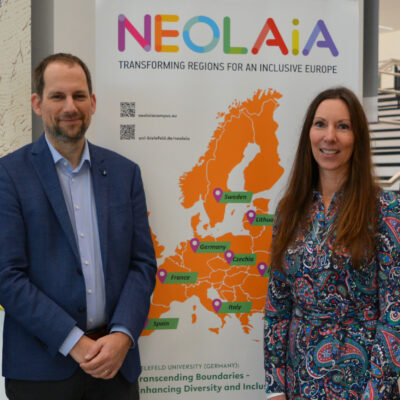
Europe Day on 9 May provides an opportunity to reflect on Europe and its achievements. Bielefeld University is part of the European university alliance NEOLAiA, which opens up new ways for students to gain international experience. The focus is on innovative mobility formats—including so-called “Blended Intensive Programmes” and summer schools—which deliberately differ from familiar formats such as study semesters or internships abroad. These short stays abroad combine digital preparation with intensive on-site phases at partner universities across Europe. For many students, they serve as an accessible entry point into the international academic world—manageable in terms of organization and personally transformative.
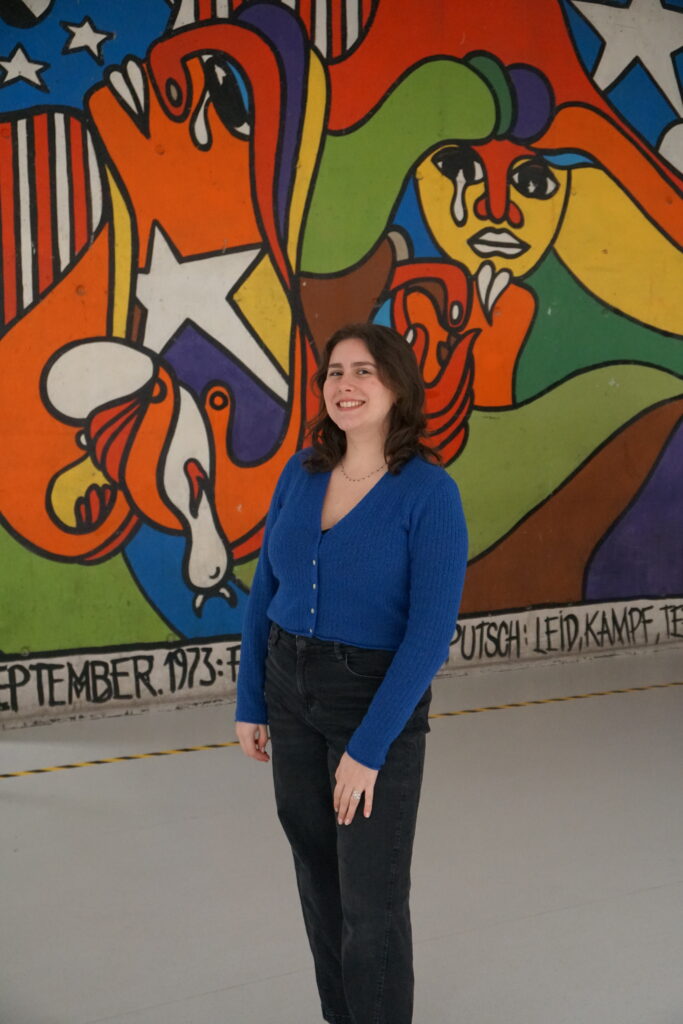
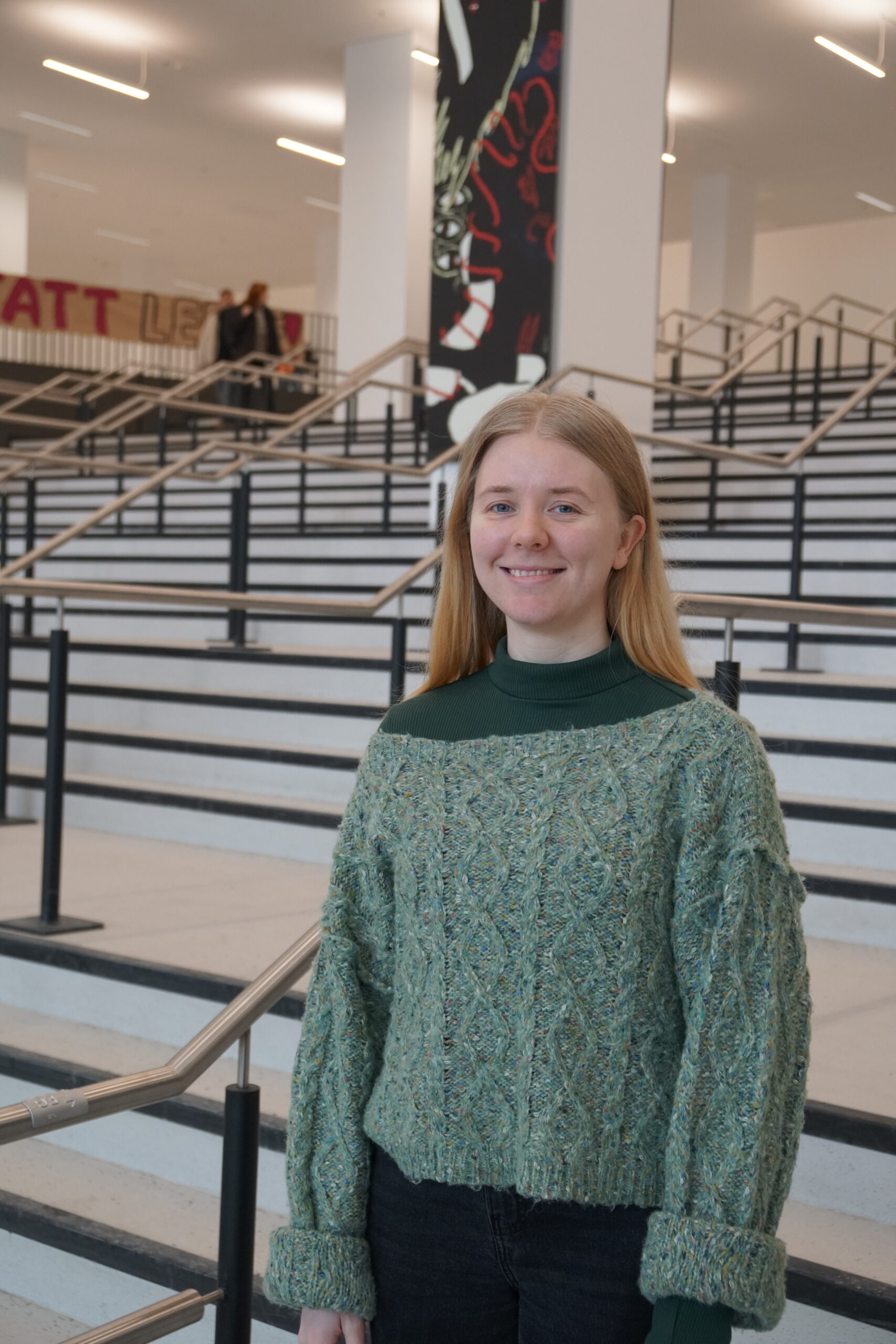
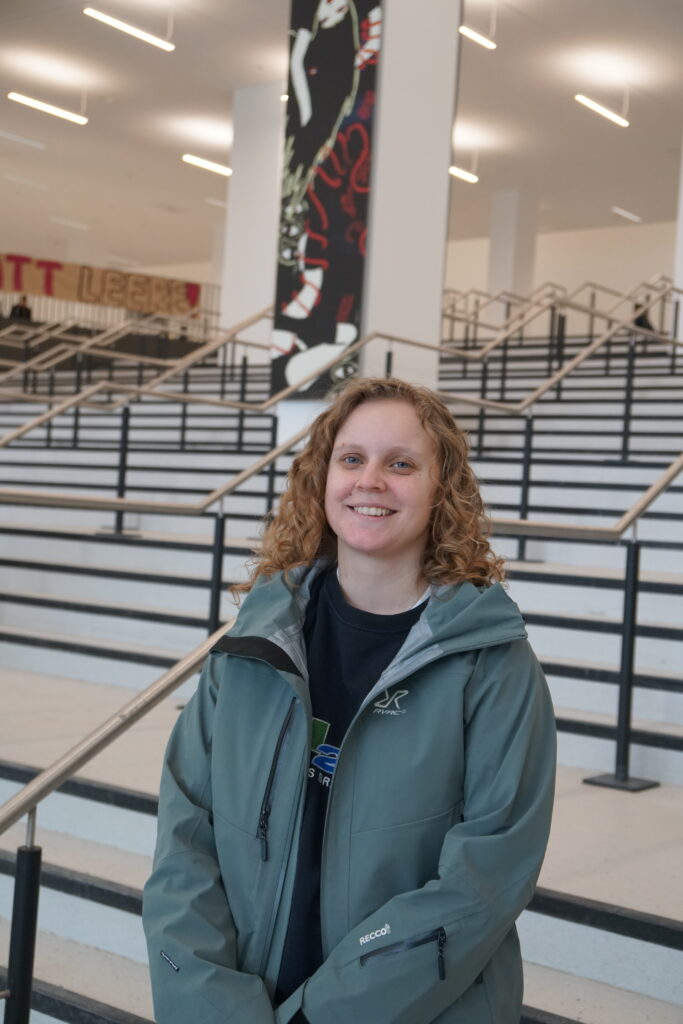
What such experiences look like in practice is described by three students from Bielefeld University who visited NEOLAiA partner institutions abroad: Sofia Rothenburg Picas in Örebro, Sweden, as well as Maline Lüer and Saskia Ebert in Ostrava, Czech Republic.
What motivated you to go abroad within NEOLAiA?
“The opportunity to study in another country and at another university was very appealing to me as a student of educational science,” reports Sofia Rothenburg Picas about her participation in a Blended Intensive Programme at Örebro University in Sweden. “Getting to know new education systems and experiencing them first-hand is extremely valuable for my academic and personal development.” Maline Lüer also describes her step abroad as a conscious decision: “I had wanted to go abroad for a long time, but had never really dared to do so. The summer school was the perfect opportunity for me to get a first impression of what a stay abroad can be like.”
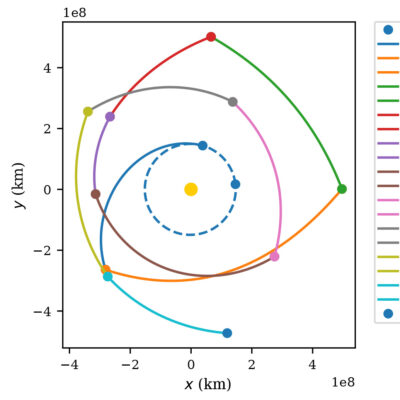
For Saskia Ebert, the academic aspect played a key role: “The program was recommended to me by a professor because it focused on a data visualization program that is particularly relevant for my studies.” At the same time, she emphasizes the added value beyond her own field: “I have always found interdisciplinary content exciting and important.”
© Bielefeld University
What did you gain academically and personally?
“One of the most valuable experiences for me was working in a very international group with participants from different disciplines, countries, life situations, and backgrounds,” says Sofia Rothenburg Picas. Maline Lüer describes it similarly: “For me, it was great to learn new skills in the software QGIS and to see how students from different European universities work with the program.” The project work was particularly formative for her: “In addition, we developed our own projects in small groups and presented them to other participants as part of a small conference.” Saskia Ebert was also able to broaden her academic horizon: “I engaged in an in-depth exploration of a geo-data processing and visualization program, which allowed me to expand my perspective beyond the opportunities offered by my home university.” At the same time, important key skills were strengthened: “The project also promoted essential soft skills such as presenting and preparing results within the framework of a final conference.” Sofia Rothenburg Picas also highlights the diversity of perspectives: “Especially on topics such as inclusion and diversity, the international and diverse composition of the group brought a wide range of perspectives into the discussions.”
© Bielefeld University
Which moments have stayed with you the most?
In addition to the academic content, the on-site experiences also left a lasting impression. Sofia Rothenburg Picas: “A highlight during my stay was the traditional Swedish break (fika) as part of the program.” The informal exchange was particularly valuable for her: “It offered a break from lectures and created a more informal setting in which conversations developed naturally.” In the Czech Republic, shared experiences also played a major role. Saskia Ebert reports: “I really enjoyed that, beyond the university-related parts of the stay, we had the opportunity to explore Ostrava and its surroundings.” The organized excursions were an important part of this.
Maline Lüer also emphasizes this aspect: “What I particularly liked was that the focus was not exclusively on learning new content, but that togetherness and interpersonal experience also played a major role.” Despite the short time, it was possible to get to know the country and its people.
© Bielefeld University
Would you recommend the programs?
“I would definitely recommend NEOLAiA mobility programs,” says Sofia Rothenburg Picas. She particularly highlights the format: “The BIP format is an excellent opportunity for a short stay abroad that enables international experience.” Saskia Ebert recommends the programs especially to curious students: “I would definitely recommend NEOLAiA mobility programs to anyone who is willing to look beyond the boundaries of their own field of study.” Maline Lüer also sees them as an opportunity for personal growth: “I would definitely recommend NEOLAiA mobility programs to anyone who wants to push themselves and gain international experience.”