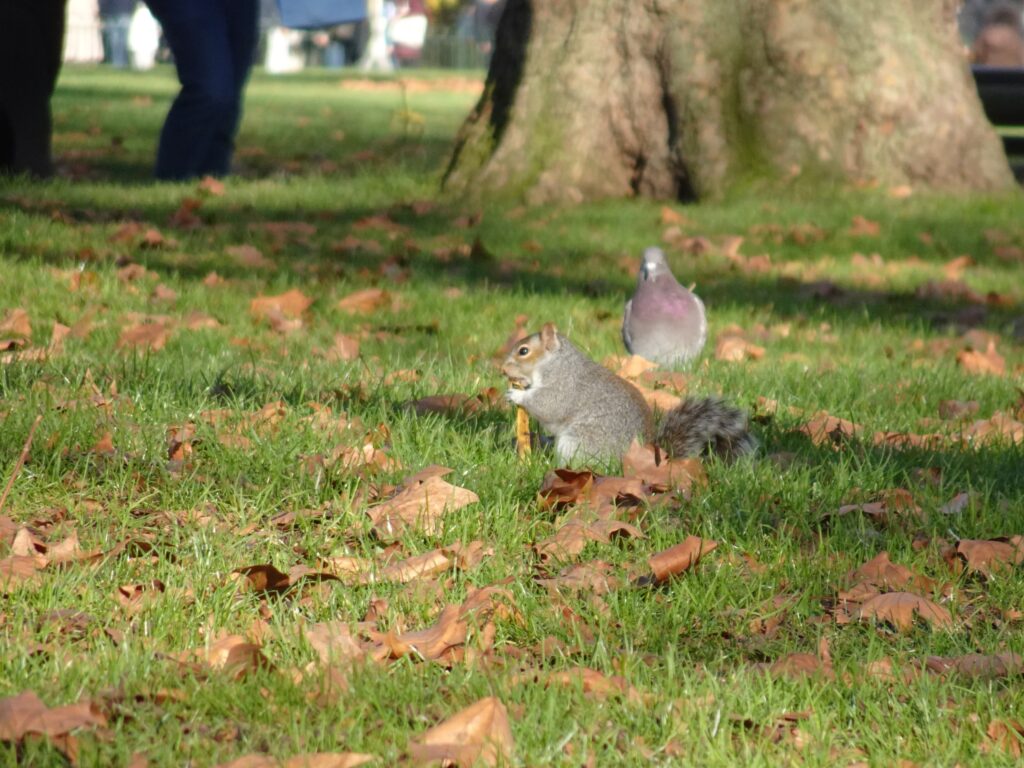
Cities profoundly shape how animals interact with one another. A new comprehensive review by researchers at Bielefeld University shows that urbanisation alters animal social behaviour – from mate choice to group living. The findings are striking and highly relevant for conservation and urban planning.
Sealed surfaces, artificial light and constant noise: what is part of everyday life for humans poses major challenges for other animals. A new international review conducted by researchers from Bielefeld University now reveals just how profoundly cities transform the social lives of animals. The study has been published in the scientific journal Biological Reviews.
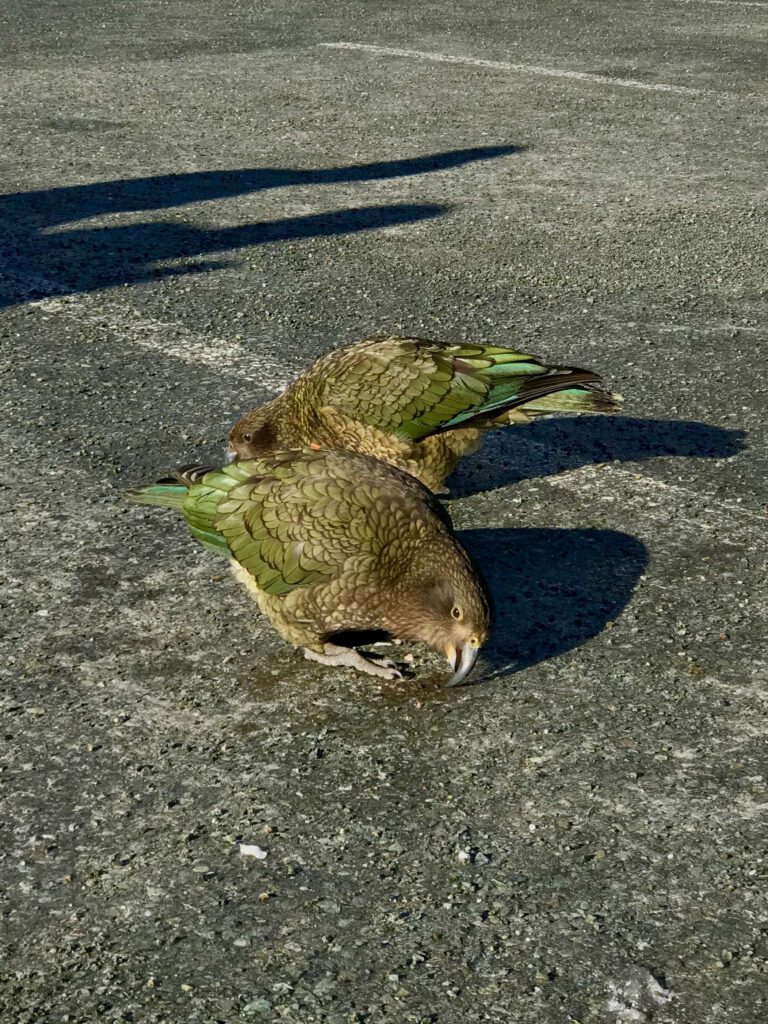
© Avery Maune
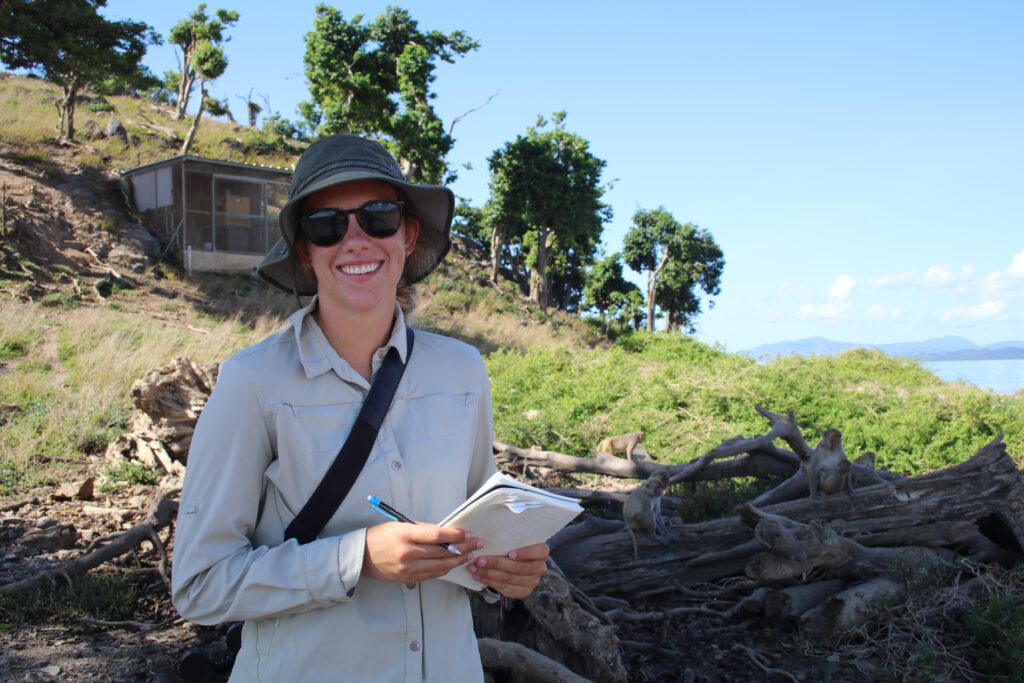
“Cities interfere with animals’ social relationships far more strongly than previously assumed,” says Avery L. Maune, first author of the study and researcher at Bielefeld University. “Social behaviour influences whether animals reproduce, find food, or avoid predators. Changes to these behaviours can have far-reaching consequences.”
The researchers analysed 227 scientific studies. The results are striking: 92 per cent of the reviewed papers report a significant effect of urbanisation on animal social behaviour. This study is the first systematic synthesis of how urban environments influence social systems across species.
© Cristina Damas
City life reshapes social relationships
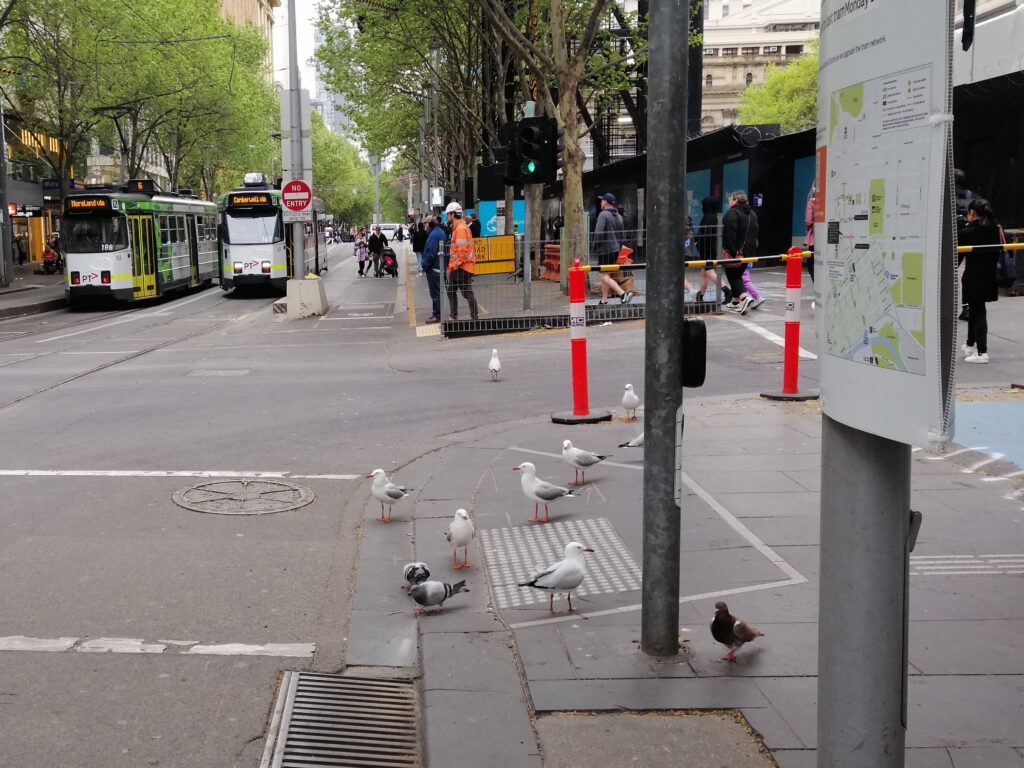
Social behaviour includes all interactions between individuals, such as cooperation or competition. In cities, animals are exposed to so-called urban stressors – human-made pressures including traffic noise, artificial light at night, limited shelter, or chemical pollution.
The review shows that these stressors can alter how animals communicate, how aggressive they are, and how stable their social groups remain. The effects of noise are particularly well studied, as it can mask songs, alarm calls, or courtship signals. Other factors, such as light pollution or new interactions between species, have received far less scientific attention so far.
© Matilda Brindle
Major knowledge gaps despite clear trends
The review also highlights substantial gaps in current research. Around 62 per cent of all analysed studies focus on birds, while other animal groups, such as reptiles or insects, are clearly underrepresented. Yet, species respond very differently to urban environments depending on their lifestyle: while mobile species may escape urban areas, others remain confined within cities.
The authors further show that changes in social behaviour can directly affect reproductive success. New mating strategies might emerge, social groups fragment or become unstable – changes that can threaten entire populations in the long term.
© Bielefeld University
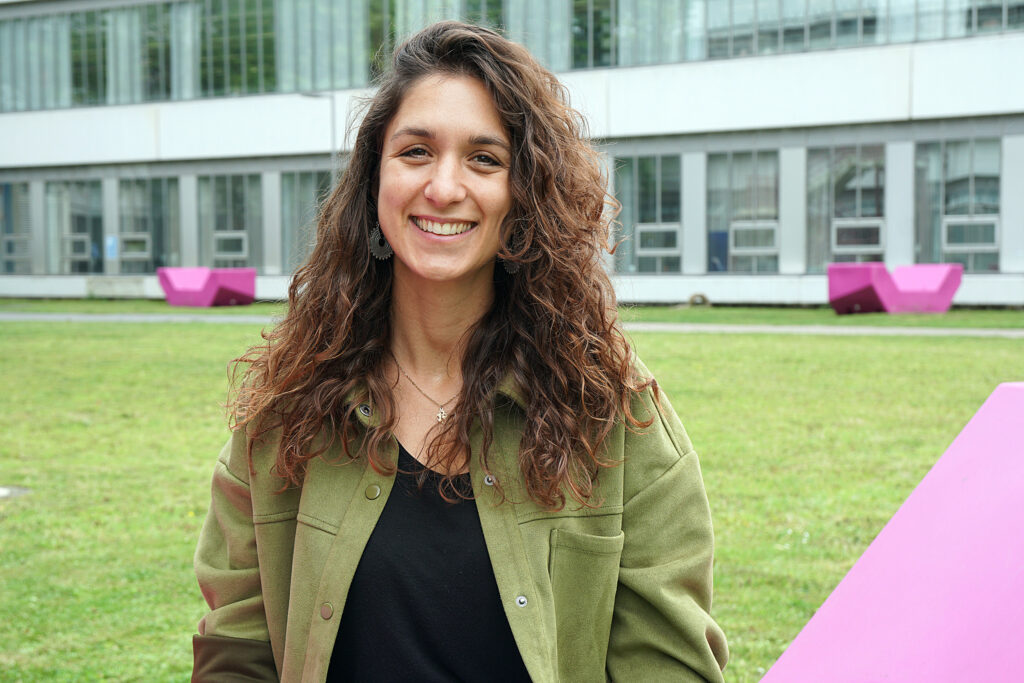
“Our findings are not only relevant for biology,” emphasises Dr Isabel Damas-Moreira, last author of the study. “They also provide important implications for conservation and sustainable urban development. Cities of the future must be habitats, not just for humans.”
As urbanisation continues to expand globally, it is becoming clear that hardly any animal remains unaffected by human-dominated environments. The study is part of research on individualisation in changing environments at the JICE – Joint Institute for Individualisation in a Changing Environment. At Bielefeld University, related research is bundled within the strategic focus area InChangE.
© Isabel Damas-Moreira
Original publication

Avery L. Maune, Barbara A. Caspers, Isabel Damas-Moreira
The impact of urbanisation on social behaviour: a comprehensive review. Biological Reviews. DOI: https://doi.org/10.1002/brv.70113.
First published: 29 December 2025.