Researchers at Bielefeld University have analyzed how reliably AI methods can detect pulse rates from simple video recordings. The technique, known as rPPG—remote photoplethysmography, an optical form of contactless pulse measurement—is considered a future tool of telemedicine. But a new study in the journal npj Digital Medicine reveals clear weaknesses as soon as heart rates rise.
For telemedicine to function in everyday life, digital diagnostic tools must operate reliably, even under challenging conditions. A research team at Bielefeld University has now examined how accurately modern AI methods can estimate pulse rates from facial video recordings. The rPPG (remote photoplethysmography) technique measures subtle color changes in the skin caused by blood flow. It is intended, for example, to ease the workload of medical practices or automatically detect stress in everyday situations.
“We wanted to know whether these methods truly deliver on their promises, especially when heart rates go up,” says study author Professor Dr Hanna Drimalla of Bielefeld University. “Because it is precisely in such moments that they would be most important.”

© Bielefeld University
New Data for Realistic Testing
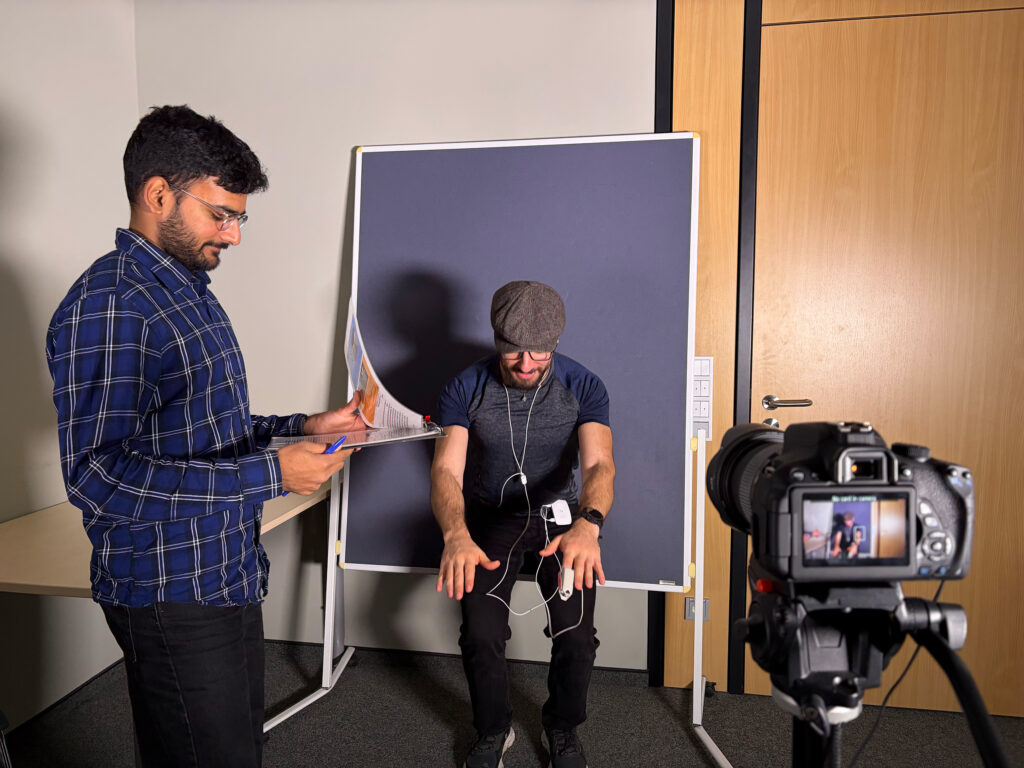
Most previous rPPG studies rely on ideal conditions: seated participants, good lighting, stable cameras. The team led by Bhargav Acharya, William Saakyan, Professor Dr Barbara Hammer, and Hanna Drimalla intentionally focused on real-life scenarios. They developed their own dataset that includes both low and high heart rates as well as poor lighting situations.
The results are surprising: while low lighting has little effect on automated measurement, accuracy drops sharply at elevated heart rates. Some modern methods then produce values that are simply unusable for telemedical applications.
© Drimalla
Relevance for Digital Medicine
Because digital health services are expanding rapidly, the researchers caution against uncritical deployment of these technologies. If AI methods misjudge stress or heart problems, this can create real risks, both for clinicians and for their patients.
The study therefore stresses: rPPG holds great potential, but the methods must become more robust. “That’s why we are currently working on new and more resilient approaches,” says Bhargav Acharya, “ones that can detect high heart rates and function even in poor lighting or for people with darker skin tones.” Only then can contactless pulse measurement find its place in digital healthcare, beyond the lab and in the midst of everyday life.
Original Publication

Bhargav Acharya, William Saakyan, Barbara Hammer, and Hanna Drimalla: The Reliability of Remote Photoplethysmography Under Low Illumination and Elevated Heart Rates. npj Digital Medicine. DOI: https://doi.org/10.1038/s41746-025-02192-y. Published on: 03.12.2025.