Algal blooms are intensifying across aquatic environments worldwide, driven by factors including rising nutrient inputs and global warming, with significant consequences for ecosystems and coastal communities. An international research group meeting at ZiF will explore how we might respond differently to these events, examining algal blooms as part of complex ecological, regional and material systems and identifying new bioregional opportunities for working with bloom biomass. Their workshop “Turn of the Green Tides. Designing with Algal Blooms for Coastal Resilience and Climate Adaptation”, takes place from September 21 to 25 at the Center for interdisziplinary Research (ZiF) in Bielefeld.
Key facts at a glance:
• Algal blooms are intensifying worldwide, with major events generating upwards of hundreds of thousands of tonnes of excess biomass, impacting aquatic ecosystems and coastal communities.
• The workshop “Turn of the Green Tides” explores new ways to understand manage and work with algal bloom biomass.
• The research group at Zif will establish the international Green Tides Network, connecting bloom ecologies with new possibilities for biomaterials and regional production.
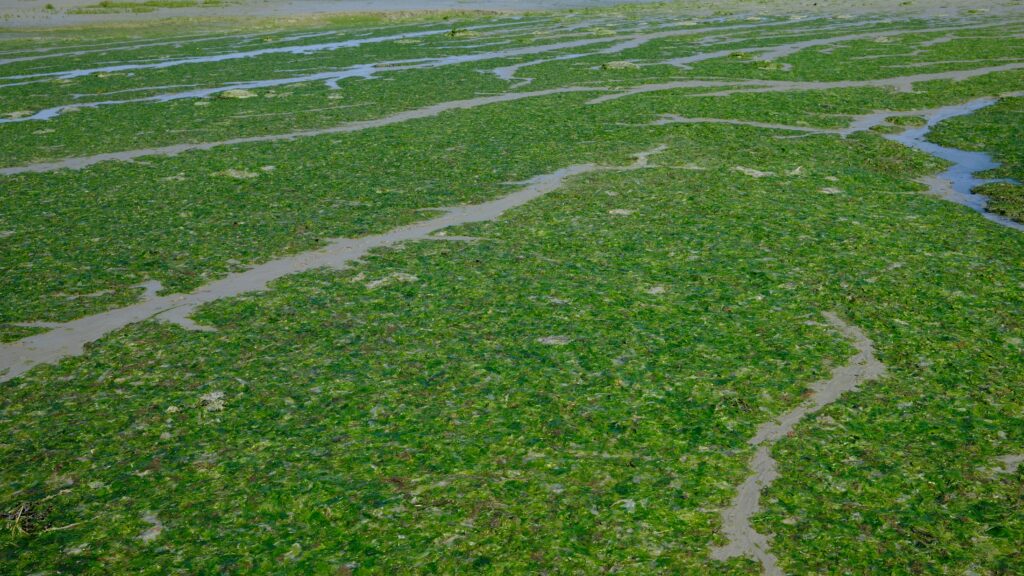
From extensive green tides accumulating along the coast of Brittany to blooms affecting lakes, estuaries and coastal waters elsewhere in the world, large concentrations of algae are increasingly visible manifestations of climate change.
The workshop brings together researchers and practitioners with expertise in marine science, ecology, biotechnology, material science and sustainable design. It is convened by Dr Kate Scardifield, University of Technology Sydney; Ana Compadre, Atelier LUMA, LUMA Arles; and Dr Jean-François Sassi, French Alternative Energies and Atomic Energy Commission (CEA). From Bielefeld University, biotechnologist Professor Dr. Olaf Kruse is participating in the project. The group will investigate how different regions understand and manage algal blooms, and what alternative approaches might be possible.
© Kate Scardifield
The research considers when and how intervention in bloom events might be appropriate, how algal biomass can be collected and processed, how regional infrastructures and capabilities can be mapped, and what new material applications and systems of production might emerge from these conditions.
“Design can help to reframe how we understand and respond to algal blooms,” says Dr Scardifield. “By looking closely at the material ecologies and systems of a particular region, we can identify new opportunities for biomaterials production, where appropriate, and consider how adaptive design approaches can build regional resilience and support emerging bioeconomies.”
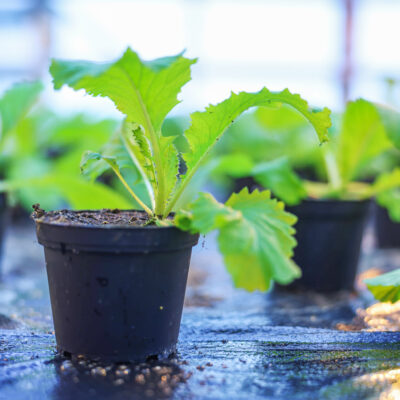
© Adrian Deweerdt
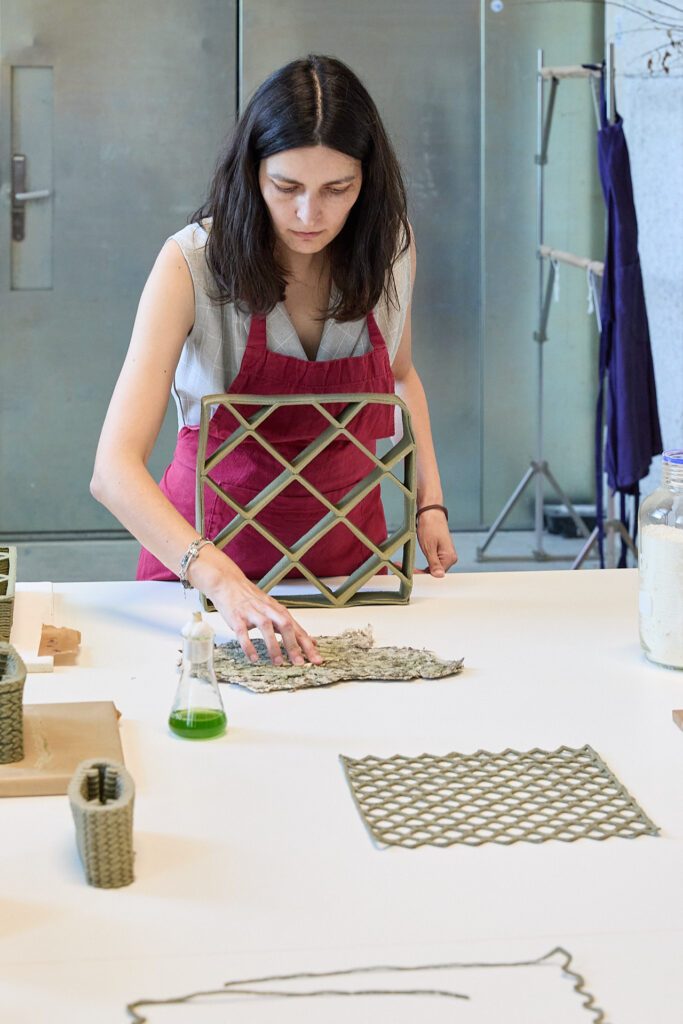
The work at ZiF builds on field research undertaken in France in 2026. In Brittany, members of the research group investigated green tides through coastal fieldwork and existing systems for monitoring, collecting and managing bloom biomass. At Atelier LUMA in Arles, material experimentation explored how algal biomass might enter new material and manufacturing processes. Together, these sites highlighted both the possibilities and practical complexities of working with bloom biomass.
At ZiF, the group will compare bloom conditions across different geographical contexts and consider how ecological knowledge, regional infrastructure and materials research can inform more situated responses. The workshop forms part of a month-long Visiting Group at ZiF, bringing collaborators together to develop the research and to establish the international Green Tides Network for its continuation.