21 September is dedicated to peace: the United Nations have been observing this international day since 1981. How can peace be practised on a small scale or in everyday life when crises and wars are ever-present? Three questions on this topic for Dr Nelson Camilo Forero Medina, who coordinates the “Peace and Mobilities” research project at Bielefeld University. The international research team is investigating how people in situations of forced migration create and experience peace in their everyday lives.
Based on your ongoing research project, what can you say about how we can achieve peace?
Unlike violence, peace is not, at first glance, all that easy to recognise. Peace is most readily evident in processes – that is, when we actively work towards it. In our international field research, we now work with a pluralistic definition of the term: we see peace when it manifests itself in concrete activities and in everyday practice. And peace can exist alongside violence and war.
How exactly do you carry out your research project?
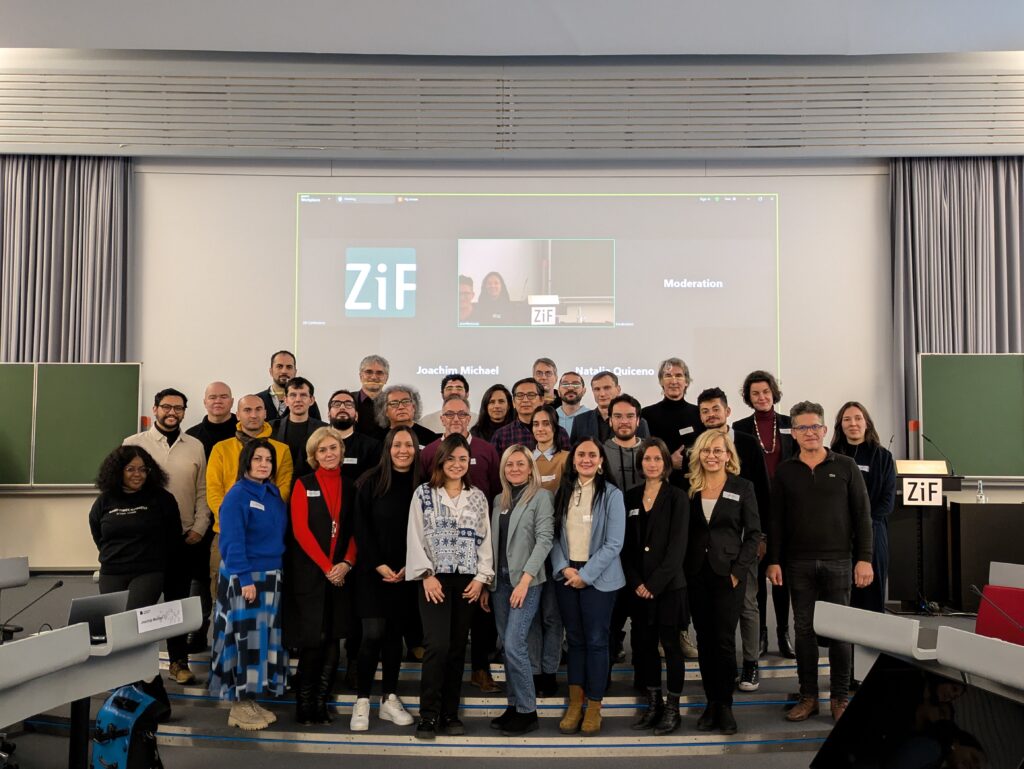
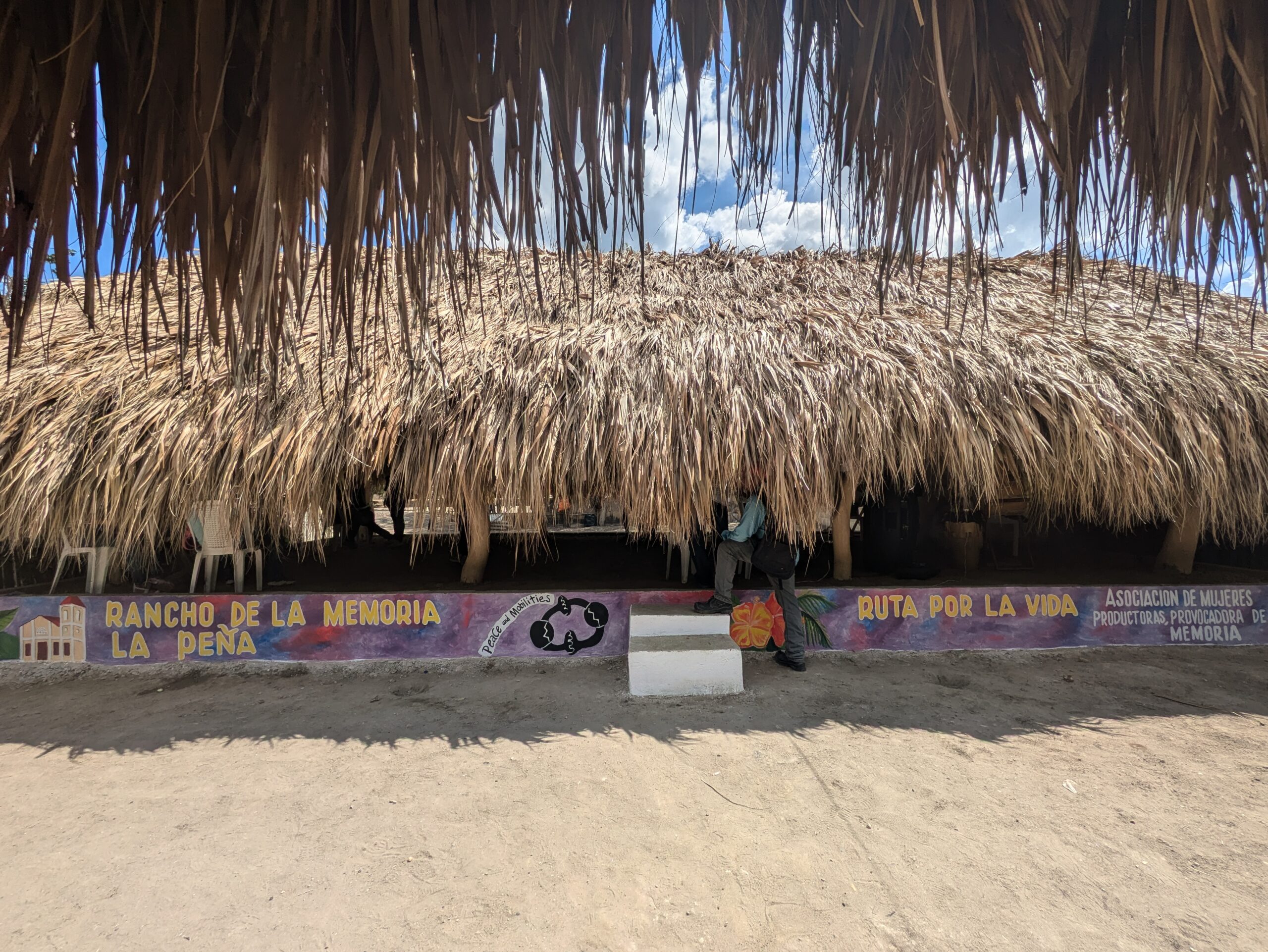
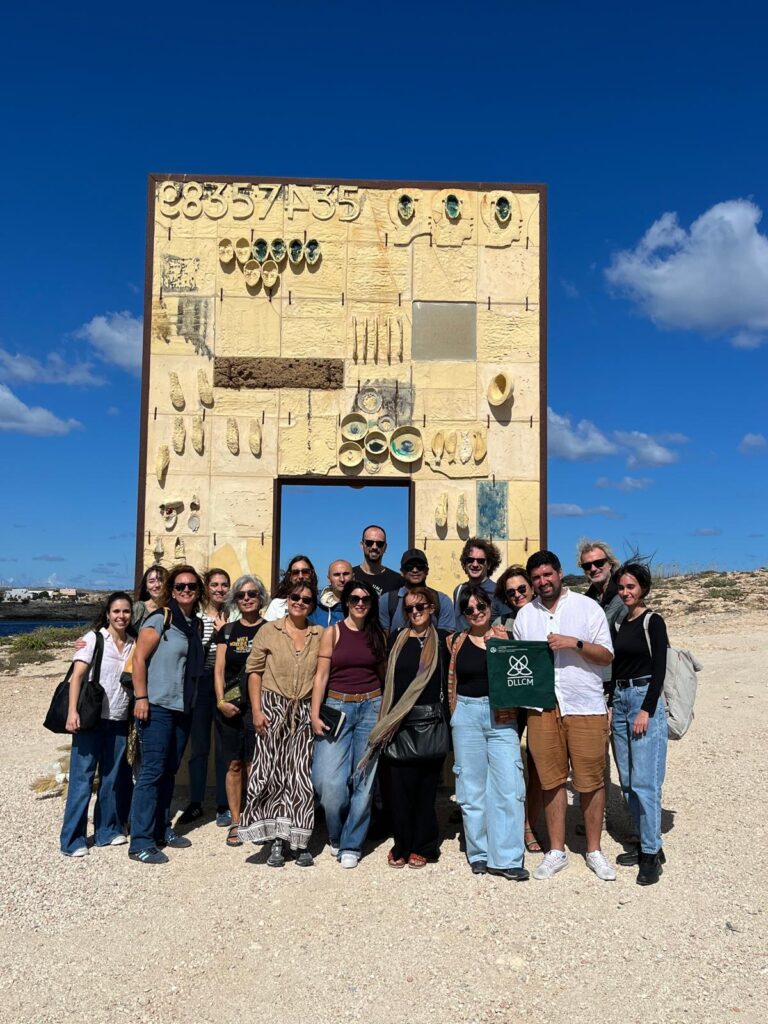
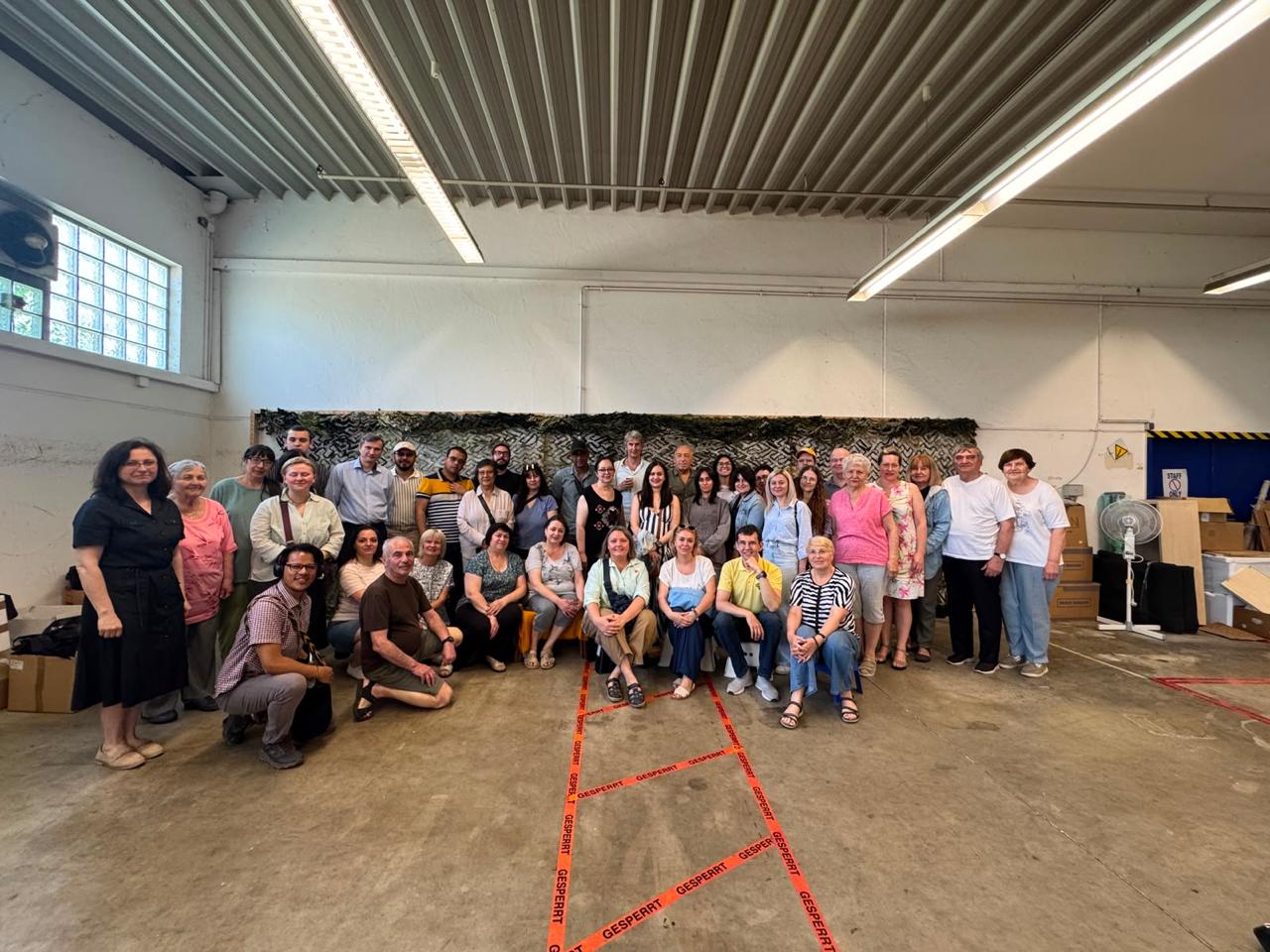
We work globally with communities and initiatives that are committed to peace. In Germany, we have organised film festivals, advisory workshops on the German migration system and a summer football school in collaboration with associations of Colombian, Ukrainian and Venezuelan migrants. In Colombia, we supported a festival organised by displaced people, which enables former combatants from different armies to reconcile. Part of the research focuses on how people in these initiatives perceive and make peace visible. In Italy, for example, this has resulted in three murals depicting people engaged in peace-building. We also see, when comparing different countries, that cultural and sporting activities are the key drivers for creating and maintaining peace.
© Project Peace and Mobilities
© Project Peace and Mobilities
© Project Peace and Mobilities
© Project Peace and Mobilities
What conclusions do you draw from your research for international peace work?
We approach peace through processes that we, as researchers, can then examine. For peace work, this means that it must always be developed in collaboration with communities and as part of a long-term endeavour. However, it also means that peace research is becoming more complex and requires significantly more time to implement.
Further information on the research project:

The ‘Peace and Mobilities’ research project is coordinated by researchers from Bielefeld University, Comillas (Spain), Guadalajara (Mexico), Milan (Italy), Bogotá (Colombia), the Autonomous University of Chile and Zaporizhzhia (Ukraine). Another partner organisation is the Museum-Galerie H401 in Amsterdam (Netherlands). In total, more than 50 international researchers are collaborating on the project. The project is funded by the European Union’s Research and Innovation Programme under the ‘Marie Skłodowska-Curie Staff Exchange’ scheme.