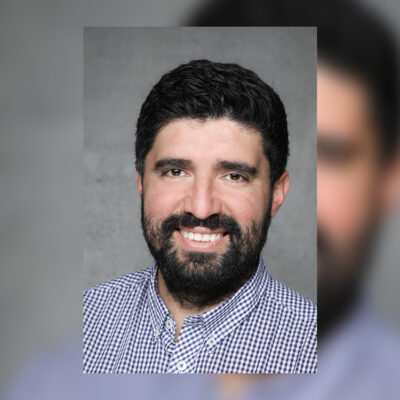
Why do young men from disadvantaged neighbourhoods take different life paths despite similar starting conditions? A new study aims to find out. The research project, run by Bielefeld University and Fulda University of Applied Sciences, will spend two years examining how the personal desire for recognition, and exclusion experienced in everyday life, shape people’s lives.
The research team is bringing together existing data on youth crime, religious radicalisation, and life in the neighbourhood, and re-analysing it. The focus is on men who want to be successful in society, but who often experience devaluation. Despite this tension, some pursue success through education or creative ways of living, while others turn to criminal or extremist groups.
One key question for the researchers is: which experiences and social dynamics lead to these different trajectories? How do social ideas of education, success, and belonging interact with the experiences of those affected?
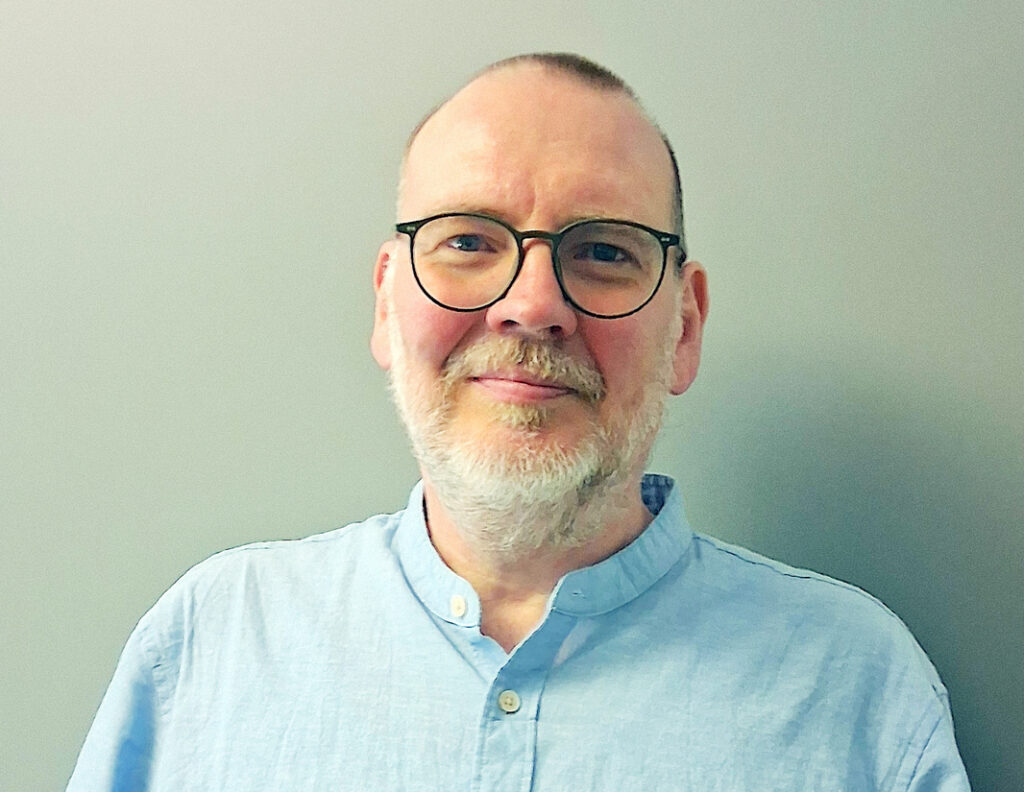
© Bielefeld University
Decisions along the life course
‘We want to understand at which points in life paths diverge, and what role the surrounding environment plays,’ says Denis van de Wetering, a sociologist at the Institute for Interdisciplinary Conflict and Violence Research at Bielefeld University and one of the initiators of the study. The researchers aim to develop a model of different life courses from this.
The basis includes interviews conducted in advance. Many of those surveyed see education as the key to social participation. One puts it like this: ‘With training, it’s like having gold in your pocket.’ At the same time, many experience their perspectives as not being taken seriously, for example when a seminar tutor dismisses one interviewee’s contribution: ‘You can believe in church, here you know.’ Such experiences can have a lasting impact on people’s relationship with educational institutions. Further interviews will be conducted as the project progresses.
The project has a total budget of around 200,000 euros. The Ministry of Culture and Science of North Rhine-Westphalia is providing 180,000 euros, while Bielefeld University is covering the remainder. The project runs for 24 months. It is led by Denis van de Wetering (Bielefeld University) and Dr Felix Roßmeißl (Fulda University of Applied Sciences). The research project’s title translates as ‘Ambivalence and career paths: An empirical study of the working through of biographical crises among young men between the path to success and the street-jihadi spectrum’.
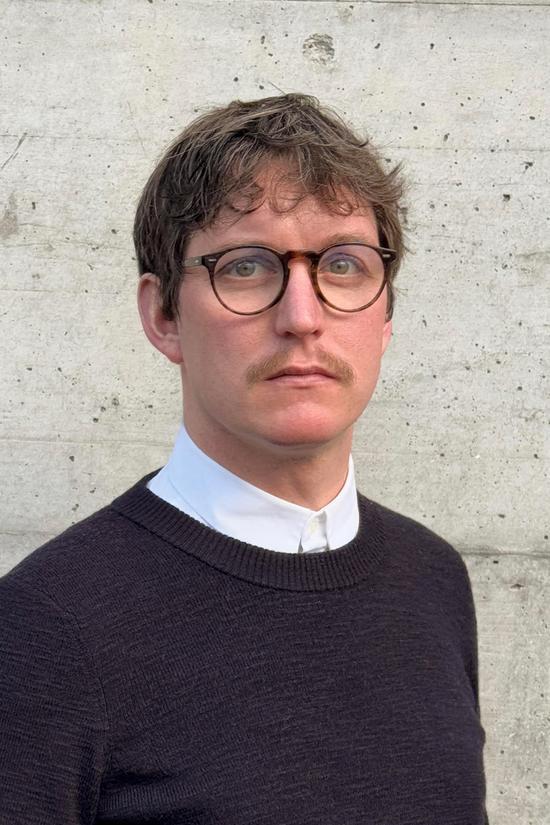
© Hochschule Fulda
The study is assigned to the strategic focus area ‘Conflicts of Inequality’ (CoIn, in German: Ungleichheitskonflikte) at Bielefeld University. The network brings together research on the relationship between social inequality and social conflict. ‘When inequality meets exclusion, conflict arises,’ says Professor Dr Tobias Hecker, one of the focus area’s spokespersons. ‘This study shows how that is reflected in individual life paths. That is what makes it so insightful for CoIn.’